



































Fractile Raises $720M to Challenge Nvidia on AI Inference Chips
UK startup Fractile hit a $7 billion valuation raising $720M for AI inference chips built to challenge Nvidia's dominance.
Six months ago, a London chip startup called Fractile was valued at a little over a billion dollars. This week, a fresh round of investors priced it at seven billion — a sevenfold jump for a company that still hasn't shipped a single commercial chip. The bet: Fractile can grab a piece of the AI hardware market that Nvidia doesn't fully own yet.
Training chips versus running chips
Most AI chip headlines over the past two years have been about training — building a model like GPT or Claude from scratch, which takes thousands of chips running for months. Fractile is going after something different: inference, which is simply the everyday act of actually using a trained model once it exists — answering a question, generating an image, writing code. Every single AI query anyone ever runs is inference. It's a less glamorous market than training, but it's recurring and it never stops, and it's expected to eventually dwarf training spend.
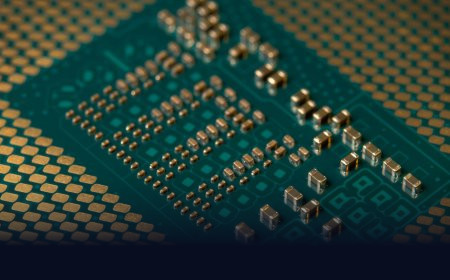
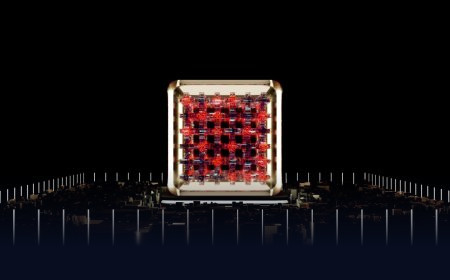
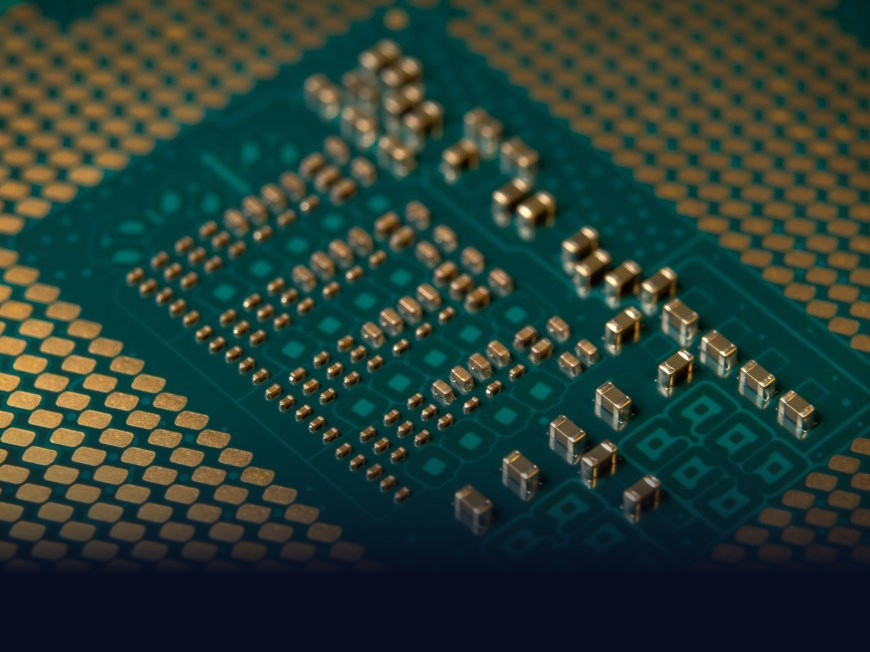
Fractile's pitch is architectural. In most chips today, the processor and its memory sit apart and shuttle data back and forth — and that shuttling is the actual bottleneck slowing AI responses down. Fractile stacks memory directly on top of the compute die instead. Less shuttling, faster answers, lower power draw per query, at least on paper. Whether it holds up at production scale is untested; the company's first commercial chip isn't due until 2027.
Who's behind the $720 million
The Series C round — typically a company's third major funding stage, raised once there's technical proof but before serious revenue — was led by Thrive Capital and Founders Fund, with Lightspeed, Redpoint, CapitalG and Conviction also putting money in. The more unusual backers are two arms of the UK government: the UK Sovereign AI Fund and the British Business Bank.
- $720 million raised in this round alone
- Valuation jumped from roughly $1.1 billion in May to around $7 billion now
- First commercial chip targeted for 2027 — nothing ships yet
- Backed partly by UK government funds, not just venture capital
That government money is the real signal here. Industrial policy, not just venture appetite, is starting to treat "who makes the chips AI runs on" as a national strategic question, not just a market one.
Still mostly a bet
There's also an unconfirmed report, first surfaced by Bloomberg, that Fractile is in talks for a roughly $250 million chip-supply deal with Anthropic. Neither company has confirmed it, so treat it as a rumour rather than a done deal. What is confirmed is that Nvidia still controls the overwhelming majority of both training and inference hardware, and no amount of funding changes that until Fractile actually ships working silicon.
The fight in AI hardware was never going to stay confined to who trains the biggest model. It's shifting to who makes it cheap enough to actually run one, millions of times a day, without the bill becoming the business's biggest expense.
Why this matters beyond London
India doesn't manufacture advanced AI chips. The government's India Semiconductor Mission 2.0, backed by $13.5 billion, is largely aimed at mature-node fabs for cars and appliances, not cutting-edge AI silicon. That leaves Indian AI companies as price-takers: whatever inference capacity costs globally is what they pay, usually in dollars, on top of cloud margins. It's exactly why Bengaluru's Simplismart raised money from Nvidia itself to squeeze more performance out of existing GPUs rather than build new hardware — Indian AI startups have been fighting this cost battle in software because the hardware side was never really on the table.
If Fractile, or any of the half-dozen inference-chip challengers racing it, actually ships working silicon in 2027, it gives cloud providers — including the ones serving Indian startups — a genuine alternative to Nvidia pricing for the first time in years. That's not a guarantee of cheaper AI in India. But it would be the first real crack in a market where one company has effectively set the price for everyone.
Whether Fractile's bet pays off won't be clear for at least another year. What's already clear is that a government is willing to put public money behind a chip that doesn't exist yet, because staying fully dependent on one supplier for the infrastructure the next decade of AI runs on looks like the bigger risk.
What's Your Reaction?
 Like
0
 Dislike
0
 Love
0
 Funny
0
 Angry
0
 Sad
0
 Wow
0