










































Blue Origin Delays New Glenn Rocket to January 2027
Blue Origin has pushed New Glenn's return to flight to January 2027 after a pad-destroying explosion, delaying Amazon's satellite internet plans.
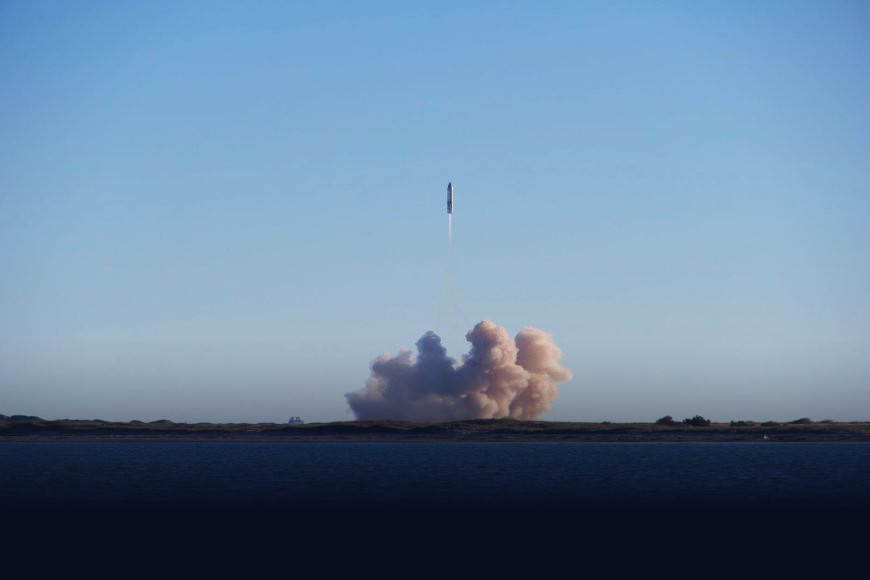
Jeff Bezos's rocket company just told its own staff, again, not to expect a launch before the new year. Blue Origin has pushed the return of its New Glenn rocket to January 2027, according to an internal memo from CEO Dave Limp reported by Bloomberg, extending a grounding that has already stretched past six months.
What actually happened
New Glenn is Blue Origin's big, reusable rocket, built to compete with SpaceX's Falcon and Starship for heavy commercial and government launch contracts. It has been sitting on the ground since late May 2026, when the vehicle was destroyed during an engine test at its only launch pad at Cape Canaveral, Florida. The explosion didn't just cost Blue Origin a rocket; it badly damaged the pad itself, and rebuilding it has taken longer than the company first expected.
Limp had earlier promised the rocket would fly again "before the end of this year." That promise is now gone. In the new memo, reported by Bloomberg, he told employees:
"This small adjustment doesn't diminish what we've accomplished or the importance of the work still ahead."
It's corporate language for a schedule slip the company would clearly rather not be making twice.
Why one rocket carries this much weight
New Glenn isn't a side project. It's the launch vehicle NASA is counting on to carry Blue Origin's Blue Moon lander for the Artemis program, which aims to put American astronauts back on the Moon. It's also the rocket Amazon is leaning on to build Leo (formerly called Project Kuiper), its planned constellation of over 3,200 satellites meant to beam broadband internet from low Earth orbit — the same basic idea behind SpaceX's Starlink. Blue Origin is contracted for 12 of those Leo launches already, with options for 15 more over the next five years.
A constellation like this only works at scale. A few hundred satellites give you patchy coverage; a few thousand give you a usable, global broadband network. Every month New Glenn sits grounded is a month Amazon can't add capacity to a network it's racing to get into service before rivals lock up customers.
What it means for India's satellite internet race
This isn't just an American story. India is shaping up to be one of the more contested satellite broadband markets anywhere, and Amazon has repeatedly named it as a priority. Starlink has cleared India's regulatory hurdles and begun operating here. Reliance Jio has its own tie-up with SES for JioSpaceFiber, and Bharti Enterprises already backs Eutelsat OneWeb, which has been live in India for a while. Amazon Leo, by contrast, still needs a far larger constellation in orbit before it can credibly compete for Indian customers, rural broadband contracts, or the satellite spectrum allocations the Indian government has been working out with telecom regulators. Every delay to New Glenn pushes that timeline back further, handing Starlink and the Jio-SES combination more runway to sign up users before Amazon even shows up with a usable product.
There's a second, quieter India angle too. ISRO is working on its own heavy-lift Next Generation Launch Vehicle, partly to support an eventual human Moon mission beyond Gaganyaan. Blue Origin's experience is a reminder that even a company with Jeff Bezos's money and a decade of development time can lose a rocket and a launch pad to a single bad test. Big, reusable rockets are hard engineering, not a schedule you can simply will into happening.
The timeline so far
- May 2026: New Glenn is destroyed during an engine test; the Cape Canaveral launch pad is badly damaged
- Mid-2026: Limp publicly says the rocket will fly again before year-end
- November 2026: A staff memo quietly moves that target to January 2027
- Ongoing: Amazon's Leo constellation remains contracted for 12+ New Glenn launches, all of them on hold until the rocket returns to flight
None of this means Amazon's satellite ambitions are dead, and Blue Origin has rebuilt from worse setbacks before. But rockets don't care about press releases or investor timelines, and a company's second broken promise on the same return-to-flight date tends to get noticed more than the first. For a market like India, where the fight for satellite broadband customers is happening in real time, a few months of delay for one competitor isn't a footnote — it's an opening for everyone else.
What's Your Reaction?
 Like
0
 Dislike
0
 Love
0
 Funny
0
 Angry
0
 Sad
0
 Wow
0