


































Optimizely Breach Slipped Malware Into 178 Trusted Websites
A flaw in Optimizely's testing tool let hackers hide malware in scripts trusted by the BBC, CNN, Zoom and 175 other sites.
On November 16, some of the most visited websites on earth started quietly handing a slice of their visitors to cryptocurrency thieves — and not one of those sites had been hacked directly to make it happen.
A single vulnerable vendor, 178 victims
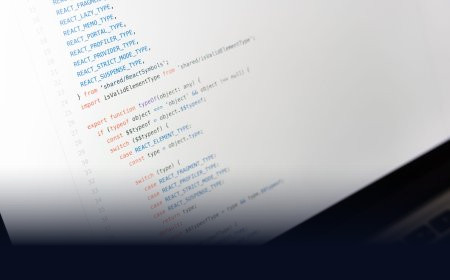
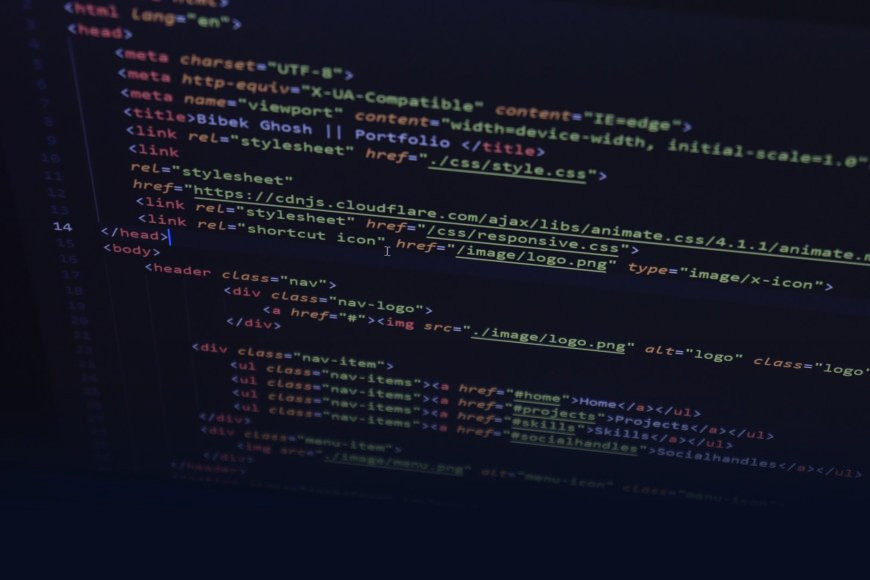
The trouble started inside Optimizely, a web-experimentation platform that thousands of companies use to run A/B tests and personalize what visitors see on their sites. On November 16, attackers exploited a flaw in Optimizely's Web Experimentation product and used it to slip malicious JavaScript into the "Project JavaScript" field — a custom-code box that site owners use to tweak how their Optimizely snippet behaves.
Security researcher Scott Helme, founder of the monitoring service Report URI, went digging through crawl data and found tainted code in 188 of the 1,611 Optimizely scripts he checked, tracing back to 178 different organizations. The list read like a cross-section of the modern internet: the BBC, CNN, Fox News, Zoom, HSBC, IKEA, Salesforce and GitLab all turned up carrying the compromised snippet at some point during the incident.
"Trusted JavaScript doesn't always remain trustworthy," Scott Helme wrote after reviewing the affected scripts.
That line is the whole story in six words. None of those companies wrote bad code or left a server exposed. They simply trusted a vendor's script tag the way millions of sites trust Google Analytics or a payment widget — and that trust got exploited at the source.
What the malware actually did
Once embedded, the injected code pulled in a second-stage script designed to work as a "clipper": malware that watches a page for cryptocurrency wallet addresses — the long strings of letters and numbers people paste when sending crypto — and silently swaps in an address controlled by the attacker. A visitor copying an address to pay for something could end up sending funds to a thief instead, with no visible sign anything was wrong. Some researchers also flagged variants capable of card-skimming, grabbing payment details typed into checkout forms.
Because the core Optimizely script itself was untouched and the payload was served from Optimizely's own domain under its own valid certificate, none of the usual red flags — a weird domain, a broken padlock icon — applied. Standard website security scans that check "is this script from a domain I trust" would have waved it straight through.
Optimizely has said it blocked the vulnerable path, shipped a fix, ended active sessions and revoked tokens tied to the incident, and that fewer than 5% of its Web Experimentation customers were affected. It also says it reached out to every affected customer directly, and that no other Optimizely product was touched. Researchers who reviewed the cleanup say the window from first injection to mass removal across sites was roughly 17 hours.
Why this matters more than it looks
A single compromised vendor reaching 178 downstream organizations, several of them with billions of combined monthly visitors, is a textbook supply-chain attack: the same pattern we've seen before in open-source package repositories, just moved from developer toolchains onto the live pages people actually browse. Salesforce itself shows up on the list of affected sites here, which is a neat bit of irony given it was the target of one of the year's biggest breach-driven extortion campaigns.
Three things make this kind of incident especially hard to defend against:
- The malicious code never touched the affected companies' own servers, so their internal security monitoring had nothing unusual to flag.
- It arrived through infrastructure the sites had deliberately and knowingly trusted, not through a phishing email or an unpatched server.
- It could be toggled on and off remotely by the attacker through the vendor's own systems, without the downstream site changing a single line of its own code.
That combination is exactly why security teams have been pushing for years to treat every third-party script — analytics, chat widgets, testing tools, ad tags — as a live piece of attack surface, not a harmless add-on.
The India angle: who answers for a vendor's mistake
Indian banks, e-commerce platforms and D2C brands lean on the same kind of third-party experimentation and analytics tags as the BBC or HSBC did here, often stitched together by marketing teams with little security sign-off. Under India's Digital Personal Data Protection (DPDP) Act, a company is still the data fiduciary responsible for personal data collected on its site even when a vendor's script is what actually touched that data — outsourcing the code doesn't outsource the liability. And CERT-In's rules require significant cyber incidents to be reported within six hours of detection, a far tighter clock than Optimizely's own roughly 17-hour cleanup window. An Indian company sitting on the wrong end of a vendor compromise like this one wouldn't get the luxury of a leisurely multi-day response.
That's a real operational headache for any Indian business that has bolted on a dozen third-party scripts over the years without ever auditing what each one is still allowed to do.
What site owners can actually do
You can't fully outsource trust in a vendor, but you can limit the blast radius:
- Use Subresource Integrity (SRI) — a browser check that blocks a script if its contents don't match a pre-approved fingerprint — or a Content Security Policy that limits which domains a page's scripts are allowed to talk to.
- Periodically audit every custom-code field in tools like Optimizely, Google Tag Manager, or similar platforms — these are exactly where attackers hide payloads, because they're meant to be edited freely.
- Monitor outbound network calls from your own site's front end, not just your servers, since that's where this kind of attack actually lives.
The uncomfortable truth this episode leaves behind is that a site's security is only as strong as the weakest vendor it has ever granted a script tag to — and most companies couldn't name that full list if you asked them.
What's Your Reaction?
 Like
0
 Dislike
0
 Love
0
 Funny
0
 Angry
0
 Sad
0
 Wow
0