











































Right to Repair Explained: Can You Actually Fix Your Own Phone?
Right to Repair means you can fix your own gadgets instead of the manufacturer deciding. Here's how it works, and what India's rules actually cover.
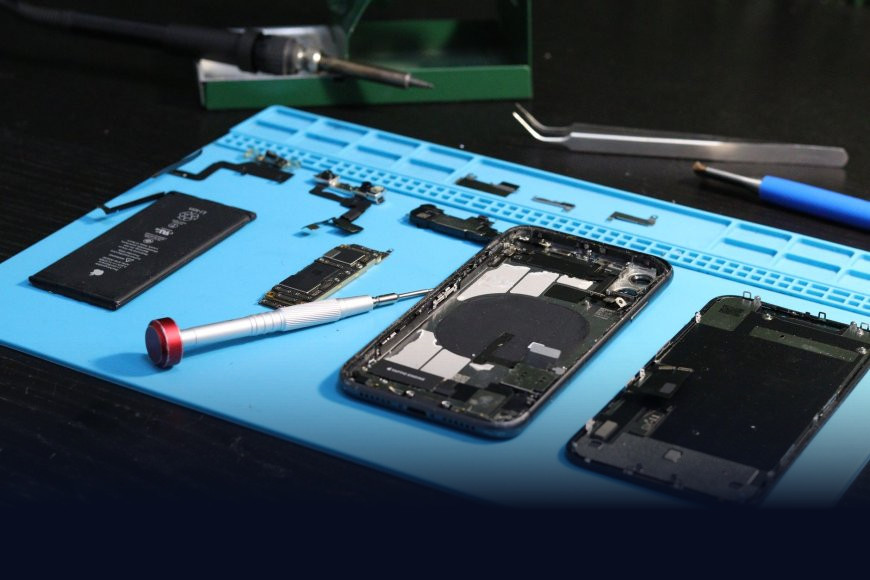
Your phone's battery is dying faster every month, so you open the back panel to swap it yourself. Thirty seconds later you hit a screw with a star-shaped head no screwdriver in your house fits, a warning sticker that says the warranty is void if you go further, and a battery that's glued in place rather than clipped. None of that is an accident. It's the result of decades of companies designing products so that only they, or someone they've approved, can fix them. Right to Repair is the pushback against exactly that.
What "Right to Repair" Actually Means
At its core, Right to Repair is the idea that if you own a device, you should be able to fix it, or choose who fixes it, without the manufacturer getting in the way. That sounds obvious until you look at how much manufacturers have quietly stacked the deck against it over the years.
Three tricks show up again and again:
- Parts pairing: some phones and laptops now check, via software, whether a replacement part (a screen, a battery, a fingerprint sensor) was "authorized." Swap in a genuine part from another unit of the exact same model and the device can still flag an error or disable a feature, because the part's serial number wasn't registered to it at the factory.
- Restricted manuals and diagnostic tools: the software that tells a technician which chip failed is often locked to authorized service centers only, so an independent repair shop is troubleshooting half-blind.
- Design choices: glued-in batteries, proprietary screws, and parts soldered directly to the motherboard that could easily have been socketed instead.
None of this is illegal in most places, which is exactly why Right to Repair had to become a deliberate policy movement rather than something that happened on its own.
India's Own Right to Repair Push
This isn't just a European or American debate. India's Department of Consumer Affairs set up a Right to Repair committee back in 2022 and launched a dedicated Right to Repair Portal covering four sectors: mobile and electronics, consumer durables (your fridge, washing machine, AC), automobiles, and farm equipment. The portal lists manufacturers who've voluntarily published repair information, spare part prices, and authorized service center locations in one place, instead of a customer having to dig through a dozen different company websites or call a helpline and hope.
The India angle matters because the economics here are different from richer markets. A huge share of Indian consumers keep phones and appliances well past the point where someone in the US or UK would simply replace them, and a thriving network of local repair shops, from neighborhood mobile repair stalls to small appliance technicians, has existed for decades. When a manufacturer locks down parts and manuals, it doesn't just inconvenience a hobbyist tinkerer, it threatens an entire informal repair economy that millions of Indians rely on both for affordable fixes and for their livelihood. There's also a straightforward e-waste angle: India generates some of the highest volumes of electronic waste in the world, and a phone that can be repaired for a fraction of its price is one less device in a landfill.
If you can't fix it, you don't own it. You're just renting it from the company that made it.
That line has been a rallying cry for repair advocates for years, and it captures the real stakes better than any policy document does.
What You Can Actually Do About It
You don't need to wait for a law to change before repair starts going your way. A few habits make a real difference:
- Before buying a phone, laptop, or appliance, search for its "repairability score" (several review sites publish these) or just check whether the battery is listed as user-replaceable.
- Check the manufacturer's listing on India's Right to Repair Portal before assuming nothing is available; several brands do publish spare part pricing there even if they don't advertise it.
- Keep your purchase invoice and warranty card; independent repair shops often need the model and purchase date to source the correct part number.
- Ask a local repair shop for a quote before writing a device off as unfixable. A cracked screen or a swollen battery is very often a ₹1,000–₹3,000 fix, not a reason to buy a new device.
None of this requires technical skill on your part. It just requires not assuming, the way a lot of marketing wants you to, that a struggling device is automatically a dead one.
The Bigger Picture
Right to Repair isn't really about saving a few thousand rupees on a battery swap, though it does that too. It's about who gets to decide the lifespan of something you paid for. A company that controls repair also controls, to a real extent, when you're pushed to buy again. The next time a warranty sticker tells you not to look inside your own phone, it's worth remembering that sticker exists to protect a business model, not to protect you.
What's Your Reaction?
 Like
0
 Dislike
0
 Love
0
 Funny
0
 Angry
0
 Sad
0
 Wow
0