








































Memory Chip Shortage Is Driving Up Laptop and Phone Prices in India
A global DRAM and NAND shortage is pushing laptop and smartphone prices up worldwide, and Indian buyers are feeling it this festive season.
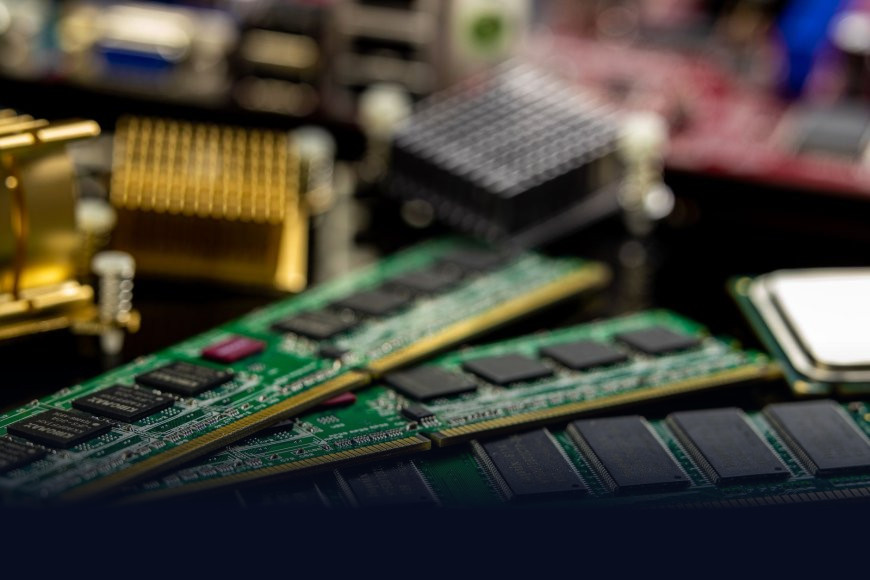
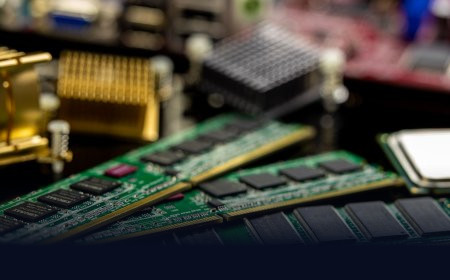
A 32GB DDR5 RAM kit that retailed for roughly ₹10,000 a year ago is now selling for close to double that in some Indian online stores. Festive season discounts on phones and laptops have quietly vanished too, with a few models even listed above their original launch price. None of this is a retailer pulling a fast one — it's a global memory chip crunch that started in AI data centers and is now landing squarely on Indian shopping carts.
Why your phone's memory suddenly got expensive
DRAM (the short-term memory chips that let a device multitask) and NAND flash (the chips that hold your photos, apps, and files) are both in short supply. The reason is almost entirely AI: hyperscale data centers building out AI infrastructure are buying up memory chips at a pace the industry didn't plan capacity for, and consumer electronics are now fighting for what's left.
Gartner estimated in its February 2026 outlook that combined DRAM and solid-state drive prices could rise by around 130% through the year, pushing PC prices up roughly 17% and smartphone prices up about 13% compared with 2025. Acer's leadership has since said PC prices could climb another 5–20% in the final quarter of 2026 alone, as the memory cost spikes from mid-year work their way into retail shelves. TrendForce's October bulletins show no sign of the mature-node and memory pricing pressure easing before 2027.
The India-specific squeeze
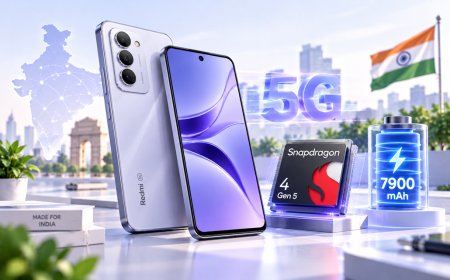
India isn't just watching this from the sidelines — it's one of the markets feeling it hardest. Counterpoint Research estimates the memory price surge has pushed up the bill of materials (what it actually costs a brand to build a device) by around 25% at the budget end, 15% in the mid-range, and 10% for premium phones. That's because chipmakers, when memory is scarce, tend to prioritize allocation to the bigger premium brands first, leaving budget and mid-range manufacturers — the segment most Indian buyers actually shop in — squeezed the hardest.
Analysts at CLSA reported Indian smartphone shipments fell by around a quarter in a single month earlier this year, and warned the shortage could persist at least through FY27. The usual festive discounting that Indian buyers plan their purchases around has largely disappeared this cycle, and some OEMs are reportedly weighing lower base RAM configurations or delaying mid-to-high-end launches rather than eating the cost themselves.
The memory crunch means the phone or laptop you were waiting to go on sale this Diwali probably isn't going to get cheaper anytime soon.
What this means if you're buying soon
- If you were planning to upgrade a laptop or phone in the next few months anyway, waiting for a price drop is a weaker bet than it used to be — most forecasts point to prices holding or rising into 2027.
- Check the actual RAM and storage specs carefully before buying, especially on budget models — some brands are quietly trimming base configurations to manage costs rather than raising the sticker price outright. Our explainer on what RAM and storage actually do to a phone's speed is worth a read before you decide how much to spend on either.
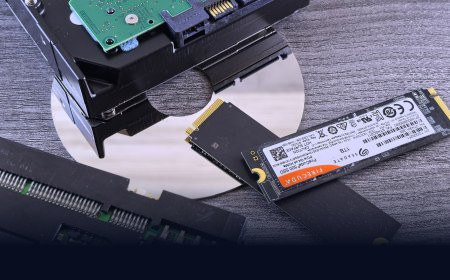
- If you're building or upgrading a PC, the same logic applies to SSDs — our guide on choosing between SSD and HDD storage covers what's actually worth paying extra for.
- Don't assume a listed "discount" is a real one this season — cross-check against the price a few months ago rather than just the MRP.
The bigger picture for India
There's a longer-term angle here too. India has spent the last few years pushing hard on semiconductor assembly and packaging investment under its production-linked incentive schemes, partly to reduce exactly this kind of exposure to global supply shocks. A prolonged memory shortage that visibly raises prices on store shelves is likely to add urgency to that push, even though chip fabrication and advanced memory manufacturing remain years away for India regardless of policy support.
For now, the practical reality is simpler and less comfortable: the price tag on your next phone or laptop has more to do with what's happening in a handful of memory fabs in South Korea and Taiwan than with anything your local retailer is doing. That's not a comforting thought heading into a season when a lot of Indian households make their one big electronics purchase of the year, but it's the one worth planning around.
What's Your Reaction?
 Like
0
 Dislike
0
 Love
0
 Funny
0
 Angry
0
 Sad
0
 Wow
0