





























DeepX's DX-M2: A $100M AI Chip That Skips the Cloud
South Korean startup DeepX is betting $100 million on a 2nm chip that lets robots and PCs run AI models without the cloud.
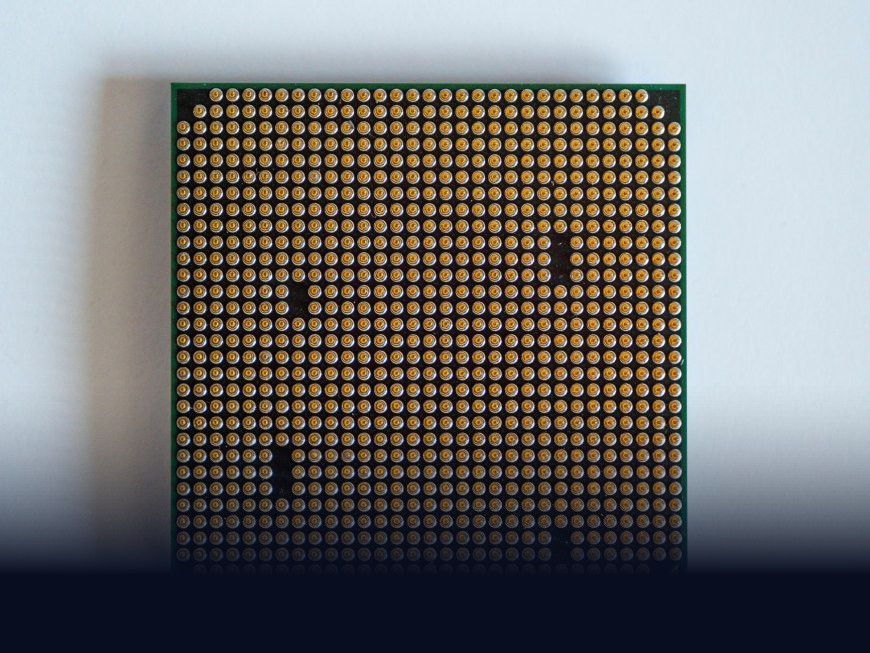
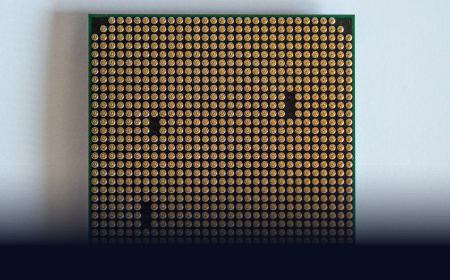
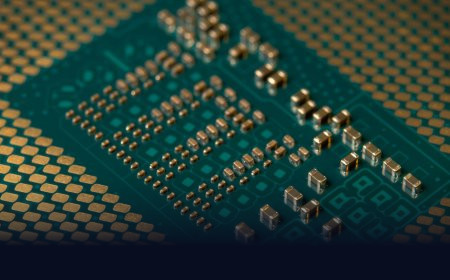
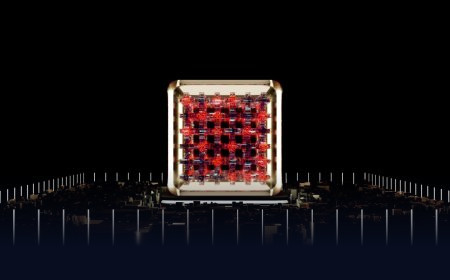
DeepX, a South Korean chip startup most people outside the semiconductor industry have never heard of, just signed off on a design that could matter a lot more than its name suggests. The company has finished the blueprint for its new DX-M2 chip and shipped it to Samsung's foundry for production on a 2-nanometer process — one of the most advanced manufacturing nodes in the world, the same scale of tech Apple and Qualcomm fight over for flagship phones.
What makes the DX-M2 worth paying attention to isn't the process node by itself. It's what DeepX says the chip can do: run AI models with up to 100 billion parameters directly on a device, no data center required.
Why "no cloud" is the whole pitch
Right now, almost every serious AI model you use — ChatGPT, Gemini, Claude — lives on a server farm somewhere, and your phone or laptop is just a window into it. That works fine until your internet drops, or you're on a factory floor where connectivity is spotty, or you're building a robot that can't afford a half-second lag every time it needs to "think." Edge AI — industry shorthand for running AI computation on the local device instead of a remote server — solves that problem, but it's historically meant much smaller, dumber models because chips small enough to fit in a robot or a PC didn't have the horsepower for anything serious.
DeepX is targeting that gap specifically. The company says the DX-M2 delivers around 80 TOPS (trillion operations per second, a standard yardstick for AI chip performance) while drawing under 5 watts — roughly what a dim light bulb uses. For comparison, many data-center AI chips draw hundreds of watts. To hit that kind of efficiency, DeepX paired the chip with Samsung's processing-in-memory LPDDR5X memory across eight channels, pushing bandwidth from 50 GB/s up to roughly 150 GB/s, which matters because moving data in and out of memory, not raw compute, is usually what chokes AI performance on small devices.
A chip that can run a 100-billion-parameter model on five watts of power is, if it works as claimed, the difference between a robot that needs a leash to the cloud and one that doesn't.
Who this is actually for
DeepX isn't chasing smartphones. Its stated targets are:
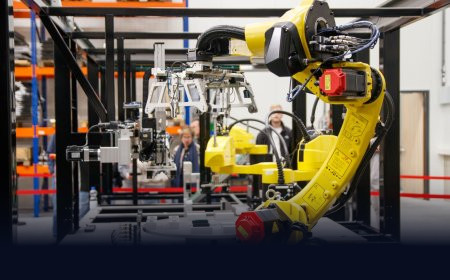
- Humanoid and industrial robots that need to react instantly without a network round-trip
- Factory and manufacturing equipment doing real-time quality checks or predictive maintenance
- AI-capable PCs that want to run large models locally instead of paying for API calls to a cloud provider
The company has also reportedly signed a memorandum of understanding with Intel Korea to collaborate on AI chip technology, and the DX-M2 has already been named a CES 2027 Innovation Award honoree ahead of its public debut. None of that means it's shipping tomorrow — DeepX is targeting customer sampling around mid-2027, with mass production slated for 2028. A tape-out (the point where a chip design is finalized and sent to a factory) is a major milestone, but there's still a long road from a finished blueprint to a chip that actually works at scale.
Where India fits into this
This isn't a Korea-only story. India has been pouring money into exactly this kind of capability: the government's India Semiconductor Mission 2.0, backed by roughly $13.5 billion, exists partly to pull chip design and packaging work onto Indian soil, and homegrown robotics and electric-vehicle manufacturers are increasingly hungry for exactly the kind of low-power, on-device AI chips DeepX is building — units that don't need a reliable always-on internet connection to function on a shop floor in Pune or a warehouse in Haryana. Edge AI chips like the DX-M2 also sidestep a data residency headache that comes up constantly under India's DPDP Act: if the "thinking" happens on the device itself rather than in a cloud server that might sit outside the country, there's simply less personal or operational data crossing borders to worry about. Indian AI-PC buyers stand to benefit too, since on-device inference means lower latency and no recurring cloud API costs for running models locally.
Whether DeepX's numbers survive contact with real silicon is the open question — every chip startup promises efficiency figures that look fantastic on a slide deck before mass production reveals the gap between target and reality. But the direction is clear enough: the next wave of AI hardware competition isn't just about who builds the biggest cloud cluster. It's about who can shrink a capable model down small enough to fit inside a robot, a factory sensor, or a laptop that never needs to phone home.
What's Your Reaction?
 Like
0
 Dislike
0
 Love
0
 Funny
0
 Angry
0
 Sad
0
 Wow
0