




































What Is a Smart Contract? How Code Replaces the Middleman
Smart contracts let code enforce deals automatically, no lawyer or bank needed. Here's how they actually work.
Imagine you and a stranger want to bet on whether it'll rain in Mumbai tomorrow. Normally you'd need a referee you both trust to hold the money and pay out fairly. A smart contract is that referee, except it's a piece of code running on a blockchain, and it can't be bribed, bullied, or talked out of the deal.
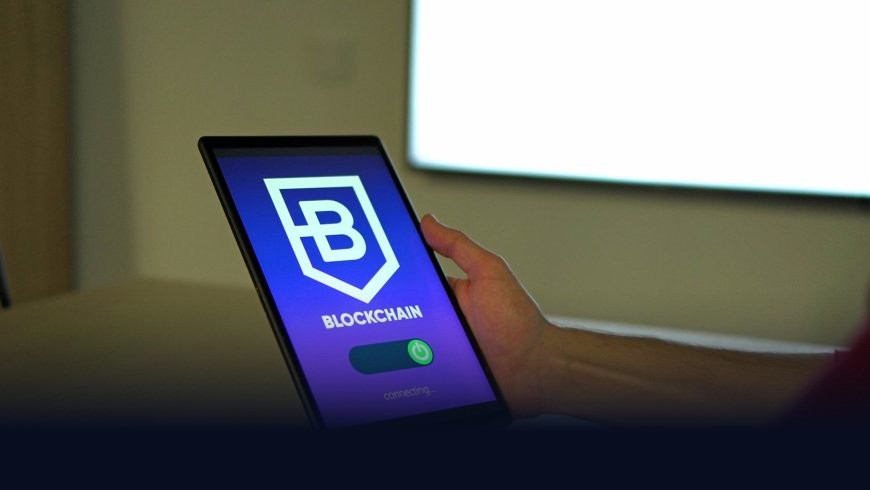
The term confuses people because a smart contract isn't a contract in the legal sense, and there's nothing particularly intelligent about it. It's a program stored on a blockchain (a shared, tamper-resistant digital ledger that thousands of computers keep identical copies of) that runs automatically when certain conditions are met.
How it actually works, step by step
Strip away the jargon and a smart contract is just "if this happens, then do that," written in code instead of legal prose. A developer writes the rules once, publishes them to a blockchain network like Ethereum, and from then on nobody, including the person who wrote it, can quietly change the rules or skip a step.
- The agreement is written as code. For example: "if Person A sends 1 ETH and Person B confirms delivery, release the funds to Person B."
- It's deployed to the blockchain. This locks the code in place across thousands of computers worldwide, so no single party can edit it later.
- Conditions are checked automatically. The contract watches the blockchain for the triggering event, like a payment arriving.
- It executes itself. Once conditions are met, the outcome happens without anyone clicking "approve." No bank, no escrow agent, no customer support ticket.
Every step gets recorded permanently on the ledger, so anyone can later verify exactly what happened and when. That's the appeal: you're trusting math and a transparent, public record instead of trusting a company's internal systems or a middleman's word.
Where you'd actually run into one
Smart contracts quietly power a lot of what's loosely called DeFi (decentralized finance) — lending platforms that let you borrow against crypto collateral without a bank's involvement, decentralized exchanges that swap one token for another, and insurance products that pay out automatically if, say, a flight gets delayed past a verified threshold. NFT marketplaces use them too, to transfer ownership and pay royalties to the original creator every time an item resells.
A smart contract doesn't make a deal trustworthy. It makes a deal unnecessary to trust, because the code enforces it regardless of who's involved.
That said, "the code is the law" cuts both ways. If a smart contract has a bug, there's no customer service line to call — several well-known DeFi protocols have lost hundreds of millions of dollars to exploits that technically followed the contract's own rules perfectly. The code does exactly what it says, which is the whole problem when what it says is wrong.
The India angle: pilots, caution, and tax headaches
India's relationship with this technology is a mix of quiet enthusiasm and official wariness. Several state governments, including Telangana and Andhra Pradesh, have piloted blockchain-based land record systems to cut down on title fraud and disputed ownership, which is a genuinely useful non-financial use of the same underlying tech. GIFT City in Gujarat has also positioned itself as a sandbox for blockchain and fintech experiments under relatively lighter-touch rules than the rest of the country.
On the financial side, though, the RBI (Reserve Bank of India, the central bank) has repeatedly flagged concerns about the volatility and consumer-protection risks of crypto-based smart contracts, and SEBI (the markets regulator) has been cautious about treating tokenized assets as securities. If you're an Indian user putting real money into a DeFi smart contract, remember that gains are taxed at a flat 30% under current rules, with 1% TDS deducted on transactions above a threshold — and because these platforms often sit outside RBI's regulatory perimeter, there's no deposit insurance or grievance redressal if something goes wrong. For founders, this is also exactly the kind of space our earlier piece on blockchain fundamentals is worth revisiting before building anything that touches real money.
What to actually check before you trust one
You don't need to read Solidity (the programming language most Ethereum smart contracts are written in) to protect yourself. A few practical habits go a long way:
- Check whether the contract has been audited by a reputable security firm, and read the audit summary, not just the badge on the website.
- Look for how long the protocol has been live and handling real funds — a contract that's survived two years of attackers poking at it is safer than one launched last month.
- Never approve unlimited token spending permissions to a contract you haven't verified; limit the approval amount where the interface allows it.
- Assume "the code is the law" means no refunds, no chargebacks, and no appeals if you make a mistake or get phished into signing a malicious transaction.
Smart contracts are a genuinely clever piece of engineering, automating trust in situations where getting a human middleman involved would be slow, expensive, or simply impossible across borders. But "automatic" doesn't mean "risk-free" — it just moves the risk from a person who can apologize and fix a mistake to code that will execute flawlessly, even when flawless execution is exactly the problem.
What's Your Reaction?
 Like
0
 Dislike
0
 Love
0
 Funny
0
 Angry
0
 Sad
0
 Wow
0