







































Three Men Charged in $129 Million AI Voice-Cloning Fraud Scheme
Three men allegedly cloned CEOs' voices with AI to steal $129M from firms — a scam pattern already hitting Indian businesses and banks.

Three men are now facing federal fraud charges in Manhattan for allegedly using AI-generated voices to impersonate real company CEOs convincingly enough to talk accounting staff into wiring away more than $129 million.
How the scheme allegedly worked
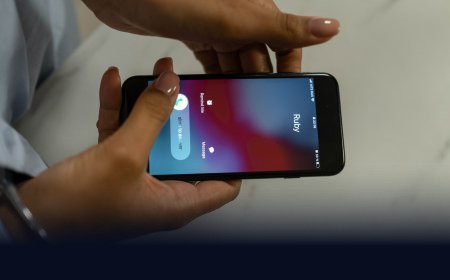
According to the unsealed indictment from the US Attorney's Office for the Southern District of New York, one defendant, Jacob Soall, posed as a UK-based lawyer on calls with target companies, working off a handwritten script literally titled "Lawyer Call." The pitch was always some version of a confidential, time-sensitive deal — an acquisition, a settlement, a new vendor contract — that needed a wire transfer pushed through fast and quietly. That's where the AI came in: prosecutors say the group used voice-cloning tools to mimic the real CEO's voice on the call, and in some cases went further with deepfaked video of the executive's face too. Voice cloning works by training a model on short samples of someone's real speech until it can generate new sentences in that same voice; deepfakes do the equivalent for video. Both have gotten cheap and easy enough that a convincing fake no longer requires a Hollywood budget.
The other two defendants named in the indictment, Sharon Hazan and Guy Sheetrit, are accused of handling the laundering once the wires landed. Prosecutors say the scheme hit at least seven companies, including:
- A Missouri hospital system — $4.8 million
- A British fintech firm — $11.6 million
- A Florida pet food company — $5 million
- A California hospital system — $3 million
- A Massachusetts mutual fund company — $4.7 million
- A Rhode Island bank — $2.7 million
Arrests across three countries, extradition still pending
This wasn't a local case. Soall was arrested in Spain in June, Hazan in Spain in August, and Sheetrit in the United Kingdom in September — with help from Spain's Policía Nacional and the UK's National Crime Agency, both credited by US prosecutors. Extradition requests for all three are still pending. Each man faces seven counts including wire fraud conspiracy, money laundering conspiracy, and aggravated identity theft, with up to 20 years on each count if convicted. As with any indictment, the charges are allegations at this stage — the men are presumed innocent unless proven otherwise in court.
An FBI official involved in the case was quoted in coverage of the indictment making the point that matters most here: that the accessibility of AI tools is turning what used to be a Hollywood-grade con into something any small fraud crew can run from a laptop.
A voice you recognize on the phone isn't proof of who's actually speaking anymore — and the finance team is usually the first department to learn that the hard way.
Why Indian businesses should be paying attention too
This case was built around American and European companies, but the playbook isn't exclusive to them. Indian banks and police have flagged a very similar pattern over the past couple of years — AI-cloned voice calls and video pretending to be a company's MD, a relative in distress, or even a police officer running a fake "digital arrest," pressuring victims into instant bank transfers before anyone has time to check. The RBI has repeatedly warned banks and customers about voice-based fraud, and India still doesn't have a law written specifically around AI-generated impersonation — prosecutors here lean on the general cheating and identity-theft provisions in the Bharatiya Nyaya Sanhita and the IT Act instead, much like their US counterparts are using wire fraud and identity theft statutes for a crime that didn't really exist in this form a few years ago. For Indian startups and SMEs that run lean finance teams without a dedicated verification process, this case is a preview of what's already starting to show up in their own inboxes and phone calls.
We covered the broader mechanics of this kind of manipulation in our explainer on social engineering earlier today — AI voice cloning is simply the newest, scarier upgrade to a very old trick: convince someone you're who you say you are, and the rest takes care of itself.
The fix is boring, and that's the point
Security researchers keep landing on the same unglamorous advice for this exact scenario:
- Never approve a wire transfer based on a phone or video call alone, no matter how senior the voice sounds.
- Call back on a number you already had on file, not one given to you during the suspicious call.
- Build in a second human sign-off for anything above a set amount, with no exceptions for "urgent."
None of that requires new software or a security budget — just a process that doesn't bend under the pressure of a convincingly panicked-sounding voice. The uncomfortable part is that the technology to fake that voice is only going to get better and cheaper from here, while most finance departments' verification habits haven't changed since fax machines were the risk to worry about.
What's Your Reaction?
 Like
0
 Dislike
0
 Love
0
 Funny
0
 Angry
0
 Sad
0
 Wow
0