



































UK's Under-16 Social Media Ban: How Age Checks Will Work
Ofcom named four age-check methods for UK's under-16 social media ban — and what it means for India's DPDP consent rules.

Britain just took its first real step toward figuring out how a social media ban for under-16s would actually work in practice. On October 29, Ofcom — the UK's media and telecoms regulator, roughly the British equivalent of a broadcasting-and-internet watchdog rolled into one — published a rapid assessment naming four methods it considers "highly effective" at checking whether someone is really 16 or older online.
What Ofcom Actually Proposed
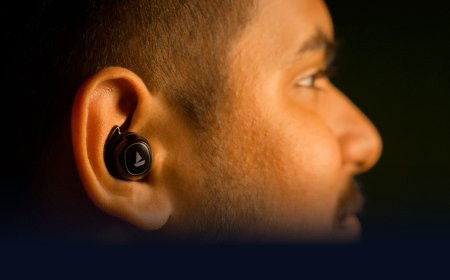
The four methods Ofcom flagged are photo ID checks, digital ID verification, bank account checks, and facial age estimation — software that scans a selfie and estimates age from facial features rather than asking for a document. None of these are brand new ideas; they're already used in pockets of the alcohol delivery and gambling industries. What's new is Ofcom saying, in writing, that this is the baseline bar platforms will have to clear once the under-16 ban becomes law.
Crucially, Ofcom was also blunt that age checks alone might not be enough. Its assessment suggested platforms could need additional safeguards on top of verification — because a determined 14-year-old with access to a parent's ID or a half-decent VPN can usually find a way around a single checkpoint.
What's Covered, What Isn't, and When
The ban itself was announced back in June, modelled loosely on Australia's under-16 social media law that took effect in December 2025. The UK government says legislation should reach Parliament before the end of this year, with the rules themselves kicking in sometime in spring 2027 — though one legal tracker puts the date as specifically as March, while government statements have stuck to the vaguer "spring."
- In scope: TikTok, Instagram, Facebook, Snapchat, YouTube, and X would all be required to disable standard accounts for under-16s by default.
- Out of scope: Private messaging apps like WhatsApp and Signal are excluded entirely — this is about public-facing social feeds, not messaging.
- Extra restrictions: Even where under-16s remain on a platform in some limited form, specific features like livestreaming and contact from strangers are set to be curbed separately.
One awkward detail buried in the legal commentary: "social media" isn't currently a defined term in UK law. Lawmakers have to pin that down before any of this can be enforced, which is one reason the exact scope keeps shifting slightly between reports.
Building the infrastructure to verify everyone's age online is the easy part on paper. Deciding who holds that data, for how long, and who's allowed to misuse it is the part every country eventually has to answer the hard way.
India's Different Playbook
India isn't copying the UK's outright ban model, but it's wrestling with the same underlying problem from a different angle. The Digital Personal Data Protection Act, with rules notified this year, requires platforms to get "verifiable parental consent" before processing a child's personal data — meaning a company has to actually confirm a parent or guardian authorised the account, not just accept a self-reported birthdate typed into a signup form. We've broken down what the DPDP Act means for ordinary users here if you want the fuller picture.
The difference in approach matters. The UK is betting on hard age gates backed by ID checks and face-scanning software; India is betting on a consent chain that puts the legal burden on platforms to prove they got permission. Neither has actually solved the enforcement problem yet. And given that India has one of the largest populations of under-18 social media users anywhere in the world, the question Ofcom is currently chewing on — how do you verify a stranger's age online without building a privacy mess bigger than the problem you started with — isn't a British problem alone. It's one Indian regulators, MeitY included, will eventually have to sit with too, especially as data fiduciaries here start exploring the same facial-estimation and digital-ID tools Ofcom just endorsed.
The Part Nobody's Solved Yet
Here's the uncomfortable truth underneath all four of Ofcom's "highly effective" methods: every single one of them requires handing over more personal data to verify you shouldn't be handing over personal data. A photo ID scan, a bank check, a facial scan — each creates a new record somewhere, held by someone, that didn't exist before. Regulators in London are focused on whether these checks work. The next fight, in the UK and eventually everywhere else building similar systems, will be over what happens to everything they collect along the way.
What's Your Reaction?
 Like
0
 Dislike
0
 Love
0
 Funny
0
 Angry
0
 Sad
0
 Wow
0