





































E-Waste in India: What Really Happens to Your Old Phone or Laptop
Ever wondered where your old phone ends up? Here's what really happens to e-waste in India, and how to recycle it safely.
That old Nokia buried in a kitchen drawer, the cracked phone you swapped two years ago, the laptop with a dead keyboard gathering dust in a cupboard — almost every Indian household has at least one. Multiply that across the country and you get a staggering number: India generates well over 1.75 million tonnes of electronic waste a year, and most people have no idea where it actually ends up.
What Counts as E-Waste, Exactly
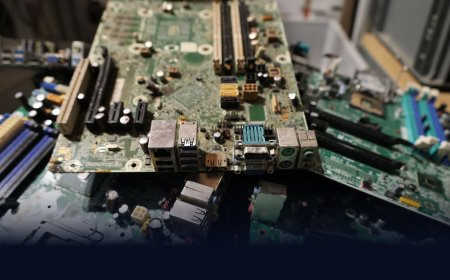
E-waste simply means any electrical or electronic device that's been thrown away — phones, laptops, chargers, routers, TVs, even the inverter battery in your hallway. It sounds mundane, but these devices are packed with things that fall into two very different buckets: valuable recoverable metals like gold, copper, and silver, and genuinely hazardous materials like lead, mercury, and cadmium. That combination is exactly why how e-waste gets handled matters so much.
India is now the third-largest generator of e-waste in the world, behind only China and the United States. A big chunk of that comes from the sheer pace at which Indians upgrade phones — cheap EMI schemes and festive-season sales push people toward a new handset every couple of years, which is great for retailers and brutal for landfills.
Where Your Old Phone Actually Goes
Here's the uncomfortable part: only a small fraction of India's e-waste is processed by licensed, formal recyclers. The rest flows into an enormous informal sector — scrap dealers in places like Seelampur in Delhi or Moradabad in Uttar Pradesh, where workers strip devices down by hand, often with no protective gear.
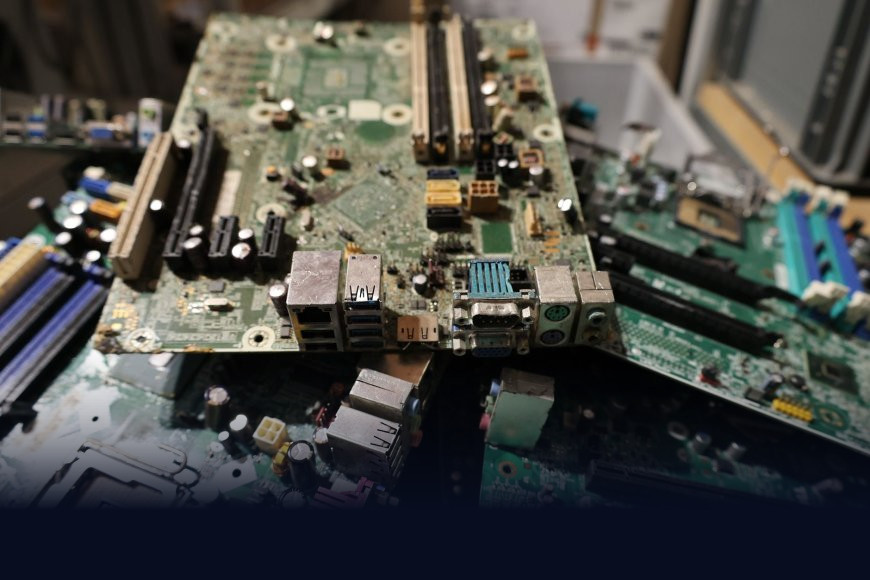
The methods used in this informal chain are crude and dangerous. Circuit boards get dunked in acid baths to leach out gold and copper. Wires are burned in the open to melt away insulation and expose the metal underneath. Both processes release toxic fumes and heavy metals that contaminate soil, groundwater, and the lungs of the people doing the work — often without masks, gloves, or any idea of the long-term health cost.
A phone that took two years to feel obsolete can take a lifetime for its toxic residue to clear out of the groundwater around an informal scrapyard.
The Rules That Are Supposed to Fix This
India isn't ignoring the problem on paper. The E-Waste (Management) Rules, 2022, put the responsibility squarely on manufacturers through something called Extended Producer Responsibility, or EPR — a system where companies that sell electronics are legally required to collect and recycle a set percentage of what they put into the market, rather than leaving the cleanup to municipalities or consumers.
Under these rules, brands like Apple, Samsung, and Dell are supposed to run take-back and collection programs, and recyclers need formal authorization from the Central Pollution Control Board (CPCB) — essentially the government body that sets and enforces environmental standards — to legally process e-waste. Enforcement is still patchy, and the informal sector remains far cheaper and more convenient for most people, which is exactly why it still handles the bulk of the volume.
What You Can Actually Do With Your Old Device
None of this means recycling responsibly is hard — it mostly just means doing a little more than tossing a phone in a drawer or handing it to the local raddiwala. A few things worth doing before your next upgrade:
- Wipe your data first. A factory reset isn't optional — with India's Digital Personal Data Protection (DPDP) Act putting more focus on how personal data is handled, leaving your old phone's data recoverable by a stranger is a real risk, not a theoretical one.
- Use manufacturer take-back programs. Apple, Samsung, and most major brands run exchange or collection schemes in Indian cities, and several even offer a discount on your next purchase.
- Look for CPCB-authorized recyclers. Organizations like Karo Sambhav and Attero operate formal collection networks in many metros and tier-2 cities.
- Don't just give it away informally. It feels harmless, but it's exactly how devices end up in the acid-bath pipeline rather than a certified recycling facility.
Why This Actually Matters to You
It's easy to treat this as someone else's problem — an environmental issue for policymakers to sort out. But the gold and copper locked inside a dead smartphone are valuable enough that proper recycling could genuinely reduce India's dependence on mining new metals, and the health risks from informal processing land on real neighborhoods, not an abstract "environment" somewhere else.
Next time a phone dies or a laptop gets replaced, the extra effort isn't large: a factory reset, a quick search for the nearest authorized collection point, maybe a short drop-off instead of a sale to the nearest scrap dealer. It's a small decision that, multiplied across a few hundred million devices, actually changes where that gold, lead, and mercury ends up.
What's Your Reaction?
 Like
0
 Dislike
0
 Love
0
 Funny
0
 Angry
0
 Sad
0
 Wow
0