






















Fitbit Third-Party Apps End November 28 — What Owners Should Know
From November 28, Fitbit's app gallery drops every third-party app and watch face for good, and deleted ones can't come back.
If you still wear an old Fitbit Sense or Versa, tomorrow is the day its app store effectively closes for good. From November 28, Google is cutting off new installs and updates for every third-party app and clock face on the Fitbit platform — and whatever you haven't already downloaded, you won't be able to get.
What's actually changing
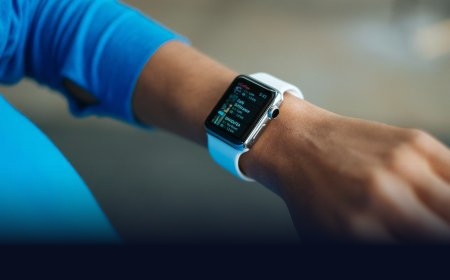
Google announced the move quietly, through a post on its Google Health community forum rather than a formal press release. Starting tomorrow, the Fitbit App Gallery will carry only apps and watch faces made by Fitbit and Google itself. Developers lose the ability to upload new content or push updates to what's already out there. For owners, anything already installed on the watch keeps working for now — but there's a catch that's tripping people up in user forums.
- Devices affected: Fitbit Sense, Sense 2, the Versa series, and the older Ionic.
- Already-installed third-party apps and faces will keep running, untouched, for now.
- But delete one, or factory-reset the watch, and it's gone — there's no reinstalling it after November 28.
- Developers can no longer submit new apps, faces, or updates to the gallery at all.
This isn't entirely new. Google quietly did the same thing for users in the European Economic Area back in 2024, widely read at the time as a response to EU digital-market rules. What's happening now is that restriction going global, with no regulatory trigger and — notably — no public explanation from Google about why.
Why nobody should be surprised
Google bought Fitbit in 2021, and the slow fade since then has been hard to miss: community features like Challenges and Adventures were stripped out earlier, and the company has been steadily steering loyal users toward Wear OS and the Pixel Watch line instead. Pulling third-party support looks less like a standalone decision and more like the last structural piece of that migration falling into place.
A device you bought outright can still be quietly downgraded by the company that made it — the hardware is yours, but the software that makes it useful never really was.
That's the uncomfortable part for anyone who paid full price for a Sense or Versa expecting years of use. The watch keeps counting steps and heart rate as before. What disappears is the layer of customization — niche watch faces, workout trackers, productivity widgets — that made the device feel like more than a basic fitness band.
What this means if you're in India
India is one of the largest wearables markets in the world by volume — IDC pegged shipments at roughly 49 million units in just the first half of 2026 — and a meaningful chunk of that installed base is older Fitbit hardware bought precisely because it was cheaper than a full smartwatch while still promising an ecosystem of apps. For those owners, this is a familiar story: a gadget that technically still works but is being nudged toward obsolescence by a software decision made on a different continent, with no notice period to speak of and no local consumer-protection lever to pull.
India doesn't yet have an equivalent of the EU's digital-markets rules that force companies to justify this kind of platform change, or a right-to-repair framework that covers software support the way it increasingly covers hardware parts — we've written before about how thin those protections still are for physical repairs, and software lock-in sits in an even greyer zone. If you own one of the affected watches and there's a third-party face or app you actually use, the practical advice circulating among owners is blunt: install it today, before the window closes, because reinstalling later won't be an option.
The bigger pattern
Fitbit's case is small in isolation, but it's a clean example of a trend that keeps showing up across connected gadgets: the device you own keeps running, while the company decides how useful it's allowed to stay. Ownership of hardware increasingly comes with permanent, revocable strings attached, and there's rarely a warning beyond a forum post most users will never read.
The next company to try this probably won't call it a shutdown either. It'll be a "gallery update" or a "platform simplification" — and by the time anyone notices, the opportunity to save what mattered to them will already be gone.
What's Your Reaction?
 Like
0
 Dislike
0
 Love
0
 Funny
0
 Angry
0
 Sad
0
 Wow
0