







































Hot Wallet vs Cold Wallet: Which One Keeps Your Crypto Safe?
Hot wallets are convenient, cold wallets are secure — here's how to split your crypto holdings, and what India's 30% tax rule means for each.
Lose your house keys and you call a locksmith. Lose the keys to your crypto wallet and nobody is coming to let you back in — not your bank, not the exchange, not even the blockchain itself. That single fact is why the "hot wallet vs cold wallet" question matters more than almost anything else in crypto security, and why so many people get it wrong.
A crypto wallet doesn't actually store your coins the way a bank locker stores cash. It stores a private key — a long, unique string of characters that proves ownership and lets you move the crypto recorded on the blockchain. Whoever holds that key controls the funds, full stop. The entire "hot vs cold" debate is really a debate about where that key lives.
What makes a wallet "hot"
A hot wallet is any wallet connected to the internet — an app on your phone, a browser extension, or the wallet built into an exchange like CoinDCX or Coinbase. It's called hot because it's always online and reachable, the same way a laptop connected to Wi-Fi is more exposed than one sitting switched off in a drawer.
Hot wallets are genuinely convenient. You can trade, send, and receive instantly, which is exactly why most people start here. The trade-off is that anything connected to the internet is a target: phishing links, malicious apps, and SIM-swap attacks (where a scammer hijacks your phone number to intercept OTPs) have all been used to drain hot wallets. If you've ever wondered how scammers actually pull off a crypto theft, our earlier piece on buying, trading and protecting Bitcoin walks through several real tactics.
What makes a wallet "cold"
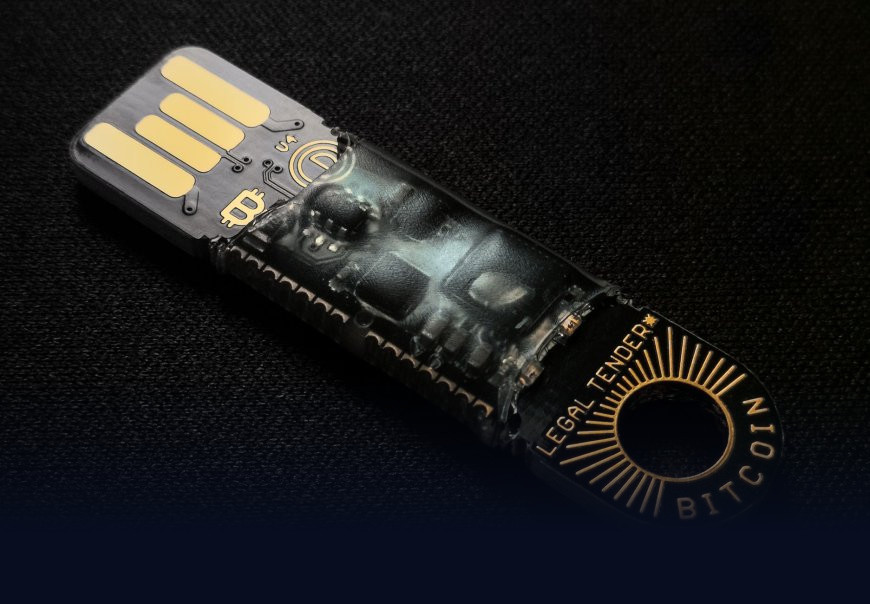
A cold wallet keeps your private key completely offline — on a dedicated hardware device like a Ledger or Trezor, or even written on paper and locked in a drawer. Because the key never touches an internet-connected device during storage, a hacker sitting anywhere in the world simply has nothing to reach. You physically plug the device in and approve a transaction only when you actually want to move funds.
The catch is convenience, or the lack of it. Cold wallets are slower to use, cost money upfront (hardware wallets typically run ₹3,000–₹8,000 in India), and if you lose the device and the backup recovery phrase that comes with it, your crypto is gone forever — there's no "forgot password" link for a blockchain.
Not your keys, not your coins. If an exchange holds your private key on your behalf, you don't actually own the crypto — you own a claim on it, and that claim is only as good as the exchange's security and solvency.
That line has become something of a mantra in crypto circles for a reason: exchange hacks and insolvencies have wiped out customer holdings more than once, and in every case, the people who had moved their coins to self-custodied cold wallets walked away unaffected.
A quick way to decide
- Trading actively or moving small amounts regularly? A hot wallet on a reputable, regulated exchange is reasonable — just enable two-factor authentication and never click links from unsolicited "support" messages.
- Holding a meaningful amount long-term? Move it to cold storage. Treat it like gold jewellery you'd lock in a safe, not cash you'd carry in your wallet every day.
- Not sure how much is "meaningful"? A common rule traders use: keep only what you're comfortable trading actively in a hot wallet, and sweep the rest to cold storage on a schedule — weekly or monthly.
- Using a cold wallet? Write your recovery phrase on paper (not a photo on your phone) and store it somewhere separate from the device itself.
The India-specific part people skip
For Indian users, wallet choice isn't just a security decision — it brushes up against tax law too. Under the rules that took effect from April 2022, profits from transferring crypto assets are taxed at a flat 30%, with no deduction allowed for losses against other income. On top of that, a 1% TDS (tax deducted at source, meaning the platform deducts it automatically before you receive the proceeds) applies on crypto transactions above specified thresholds when trading through an Indian exchange.
This is one practical reason many Indian traders keep active funds on domestic, FIU-IND-registered exchanges (FIU-IND is the government's Financial Intelligence Unit, which exchanges must register with to legally operate) rather than moving everything to self-custody — it keeps the tax trail clean and avoids questions later. The Reserve Bank of India has also repeatedly flagged crypto as carrying systemic risk, even though it stopped short of an outright ban, so the regulatory ground here keeps shifting. None of that changes the underlying security math, though: a cold wallet is still the safer place to park crypto you don't plan to touch for a while, tax reporting included.
The real takeaway isn't that one wallet type beats the other — it's that your wallet choice should match what you're actually doing with the crypto. Split your holdings: keep a small, working amount hot for trading, and move everything else somewhere a phishing email can't reach. That one habit prevents more losses than any amount of "be careful online" advice ever has.
What's Your Reaction?
 Like
0
 Dislike
0
 Love
0
 Funny
0
 Angry
0
 Sad
0
 Wow
0