







































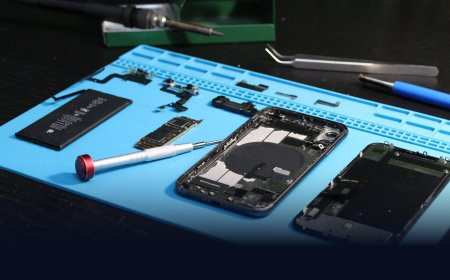




Smartphone Prices Rise Again in India as Lava, Nothing Hike Rates
Lava, Nothing and other brands are raising smartphone prices in India from mid-November as the global memory chip shortage drags on.

If you've been eyeing a new Lava phone, the window to buy it at today's price closes in about a week. The homegrown handset maker has told retailers it's raising prices by up to ₹3,000 across its lineup starting November 15 — and it won't be the only brand doing it.
Why your next phone is about to cost more
Lava's move isn't a one-off pricing decision. It's the latest ripple from a global shortage of memory chips — the DRAM that lets a phone multitask and the NAND flash that stores your photos and apps — that's been squeezing device makers all year. We've covered how this crunch started: AI data centers are buying up memory capacity faster than the industry can build it, leaving consumer electronics fighting over what's left.
What's different now is that the pressure is showing up as actual sticker prices on actual shelves, brand by brand. Nothing has already added roughly ₹3,000 to both storage variants of its Phone (3a) Lite. Vivo and Realme have quietly bumped select models by anywhere from ₹1,000 to ₹7,000. Oppo, Samsung and Xiaomi have made similar moves on parts of their range. None of them are hiding behind vague market-conditions language — most are pointing straight at component costs.
The festive season buyers didn't get
The timing stings. India's phone-shopping calendar revolves around the Diwali-to-year-end stretch, when brands usually compete on discounts rather than raise list prices. Retailers this year report the opposite: footfall at mobile stores has fallen sharply since Diwali, and industry trade bodies expect December sales to trail both November and September — unusual for what's normally the strongest selling season of the year.
- Entry-level and budget phones are taking the biggest hit, since memory makes up a larger share of their bill of materials (what it actually costs a brand to build a phone) than it does on premium devices.
- Analysts tracking the market expect India's full-year smartphone shipments to fall well short of last year's levels, with memory costs cited as the single biggest drag.
- Some brands are reportedly weighing lower base RAM configurations on upcoming launches rather than absorbing the extra cost themselves.
A ₹3,000 jump looks small next to a flagship's price tag, but on a ₹10,000–15,000 phone — exactly where most of India buys — it's the difference between an easy purchase and a deferred one.
What this means if you're buying in India right now
For Indian shoppers, the practical takeaway is simple: prices are more likely to go up than down between now and whenever this memory squeeze eases, which most supply-chain analysts don't expect before 2027. If you've already shortlisted a phone from Lava or any of the brands adjusting prices this month, buying before the revision takes effect is about the only way to lock in the old rate.
There's a wider angle too. India is simultaneously trying to build its own chip assembly and packaging capacity — projects like Micron's Sanand facility exist specifically to reduce this kind of exposure over the long run. But those plants are still ramping up, and they package chips made elsewhere rather than manufacturing raw DRAM wafers. So for now, an Indian buyer's phone bill is tied directly to how fast AI data centers abroad are buying up memory, with very little insulation in between.
That's the uncomfortable reality of a globally integrated supply chain: a boom in AI infrastructure spending in the US and East Asia shows up, a few months later, as a few thousand extra rupees on a budget phone in an Indian retail store. The chip shortage isn't an abstract industry story anymore — it has a release date, and for a lot of Indian buyers, that date is November 15.
What's Your Reaction?
 Like
0
 Dislike
0
 Love
0
 Funny
0
 Angry
0
 Sad
0
 Wow
0