


























NSA, Wall Street Blame US Outages on Rush to Patch AI-Found Bugs
NSA and Wall Street banks say recent US outages came from rushed patches for flaws AI tools found — not a cyberattack.

A classified internal network run by the National Security Agency went dark for two days this month. No hacker broke in. According to officials who briefed Congress behind closed doors, the outage was self-inflicted — the result of patching too many security holes, too fast.
When Finding Bugs Becomes the Problem
Wall Street executives and NSA officials have told lawmakers, according to multiple people familiar with the briefings, that a string of recent outages — hitting banks, an airline's booking systems, and the NSA's own network — traces back to one cause: AI tools are now finding security flaws (commonly called zero-days, bugs hackers can exploit before anyone has built a fix) faster than human teams can safely roll out patches for them. The rush to close those gaps before attackers found them first is what knocked systems offline, officials say, not a coordinated cyberattack.
"These models are identifying massive vulnerabilities, and that increases the urgency to patch right away," one congressional official told reporters after the briefings.
It's a strange kind of problem to have. Security teams have spent two decades complaining they don't have enough visibility into their own systems. Now AI-assisted scanning tools are handing them more flaws than they've ever had to deal with at once, and the old playbook — test thoroughly, roll out gradually, keep a rollback plan ready — doesn't scale cleanly to that volume under pressure.
The NSA's Own Network Went Down
Director of National Intelligence Jay Clayton gave the clearest public account so far. In a Fox Business interview, he tied the outage on NSANet — the agency's classified internal network — directly to a patch applied after a flaw was discovered in PHP, a programming language used across huge swaths of the web. Systems that got patched, he said, simply didn't come back up the way they were supposed to. He was careful to rule out a coordinated attack, telling lawmakers the wave of incidents looked like separate technical failures rather than anything orchestrated by an adversary.
Not every outage fits the same story, though, and that distinction matters:
- NSA (NSANet): Directly linked by the DNI to a patch for a PHP flaw that didn't apply cleanly.
- Microsoft: The company has pointed to a dormant bug introduced in a July update — not an AI-discovered flaw or a rushed patch.
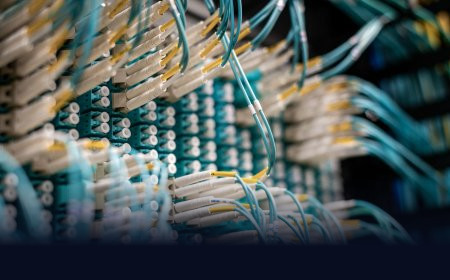
- FAA: Traced to router work during a copper-to-fiber network upgrade, unrelated to the patching theory.
- Banks: Executives have told Congress their systems felt the same patch-volume pressure, though none have gone on record naming a specific vulnerability.
So "AI caused the outages" oversimplifies things. What seems real is that AI-assisted vulnerability discovery has sharply increased how many urgent fixes land on security teams' desks at once, and at least some of those teams got the testing and rollout wrong under that pressure.
What This Means for Indian Banks and IT Teams
This isn't only a Washington story. Indian banks and large enterprises have been adopting AI-driven vulnerability scanning over the past couple of years, pushed partly by the RBI's cybersecurity framework, which already expects regulated entities to patch critical flaws within tight windows. If US banks — with deeper security budgets and bigger teams — are struggling to safely absorb the pace of AI-found bugs, the same squeeze is coming for Indian financial institutions and the IT teams running UPI-linked infrastructure, where an outage draws immediate public attention. CERT-In, the government's computer emergency response team, already assumes human teams can triage and patch quickly; that assumption looks shakier when scanning tools surface ten times more issues than before.
There's a concrete, immediate version of this tension, too. Microsoft's November patch for an Outlook zero-day that could leak NTLM hashes — the encrypted credentials Windows uses behind the scenes to verify a login — is a story we covered when it was first disclosed. The US Cybersecurity and Infrastructure Security Agency (CISA) gave federal agencies until November 24 to patch it. Indian organisations running Outlook aren't bound by that US deadline, but they're exposed to the same flaw, and this week's outages carry a useful lesson: patching fast and patching safely aren't automatically the same thing.
The real bottleneck security teams need to solve for next isn't discovery anymore — AI has that covered, arguably too well. It's building the testing and rollback capacity to apply fixes at the pace bugs are now arriving, without taking down the very systems those fixes were meant to protect.
What's Your Reaction?
 Like
0
 Dislike
0
 Love
0
 Funny
0
 Angry
0
 Sad
0
 Wow
0