


























What Is an NPU? The AI Chip Quietly Running Your Phone
An NPU handles on-device AI like camera processing and translation, no cloud needed. Here's what it does and why it matters when buying a phone.
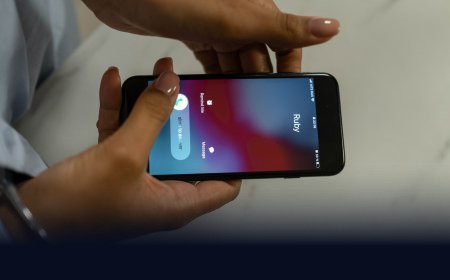
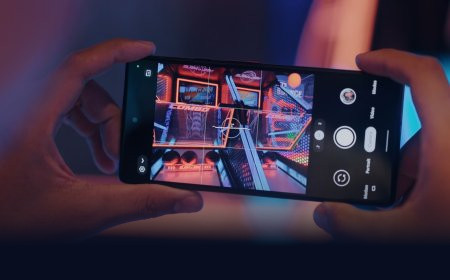
Open the camera app on almost any phone released in the last couple of years, point it at a dim room, and watch the preview brighten and sharpen in real time before you've even pressed the shutter. Or ask your phone to transcribe a voice note and translate it on the spot, with no spinner, no "connecting to server." Something is doing that math, fast and without burning through your battery in five minutes. That something is usually a small, oddly-named chip called an NPU, and it's become one of the biggest (and most confusing) buzzwords on every phone box in the market.
What an NPU Actually Does
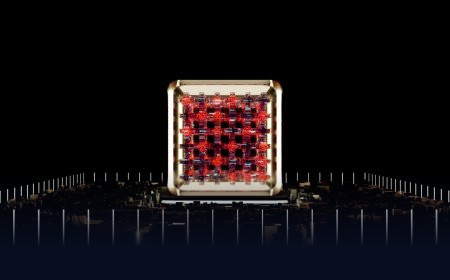
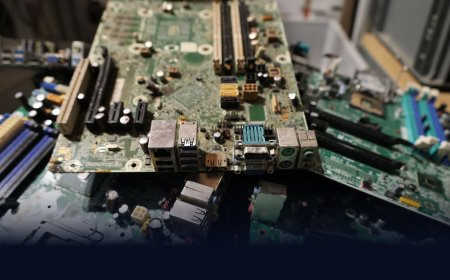
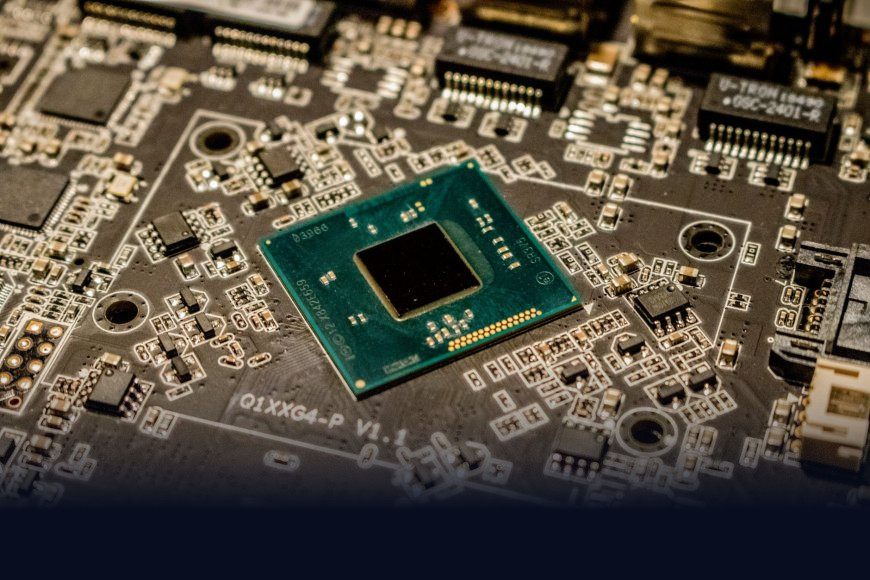
NPU stands for Neural Processing Unit. Strip away the jargon and it's simply a piece of silicon built to do one narrow kind of math very, very efficiently: the repeated multiplication and addition that "neural networks" (the layered pattern-matching models behind most modern AI) rely on.
Your phone already has a CPU (the general-purpose processor that runs your apps, one logical step after another) and usually a GPU (originally built for rendering graphics, but very good at doing thousands of simple calculations at once, which also happens to be exactly what AI math needs). An NPU does the same basic operations as a GPU for this purpose, but it's stripped down and purpose-built, so it uses a fraction of the power. That's the whole pitch: not new capability, but the same AI tasks running on your device, for seconds instead of minutes, without draining your battery.
TOPS: The Number Every Spec Sheet Loves, and Why It's Mostly Marketing
Phone makers love to print a number like "45 TOPS" on the box. TOPS means Trillion Operations Per Second, a rough measure of how much raw math the chip can crunch. It sounds like a clean way to compare phones, the way megapixels or RAM used to be, but it isn't quite that simple.
- Different brands measure TOPS differently, so a 30 TOPS chip from one company isn't necessarily weaker than a 40 TOPS chip from another.
- Raw power means little if the software on top of it is poorly optimized, which is common, especially on cheaper devices rushed to market.
- Many of the "AI features" advertised alongside a big TOPS number, such as a photo background eraser, run perfectly well on far less powerful NPUs that have been around for several years.
The number matters a little for genuinely heavy, newer workloads, like running a small chatbot entirely offline. For everyday features, it's mostly a specification war, not a meaningful experience difference.
Why This Matters for Phone Buyers in India
India is one of the markets where this chip has been pushed hardest in advertising, and for a few genuine reasons beyond the usual marketing noise. Brands selling phones at every price point, from premium Galaxy and OnePlus models down to sub-₹20,000 devices from Indian and Chinese manufacturers, now badge an "AI chip" as a headline feature, often before the camera specs.
Two things make this more than marketing fluff for an Indian buyer specifically. First, live translation and transcription features that run on the NPU work without a data connection, which genuinely matters in a country where mobile network quality still drops sharply outside metro areas, and where the sheer number of spoken languages makes on-device, instant translation between, say, Hindi and Tamil, a far more practical everyday tool than it is in most single-language markets. Second, because the processing happens on the device rather than being sent to a company's servers, it keeps sensitive data like your voice recordings, photos, and face-unlock scans off the cloud by default, which lines up neatly with the intent behind India's Digital Personal Data Protection (DPDP) Act, even though the chip itself has nothing to do with the law.
If you've read our earlier explainer on GPUs, this is the consumer-facing cousin of that same chip war, just scaled down to fit in your pocket and optimized for battery life instead of raw horsepower.
An NPU's job was never to make your phone smarter. It's to make the smart stuff your phone was already capable of doing, affordable to run all day on a battery.
What Actually Runs on an NPU Today
- Camera processing: night mode, portrait blur, and real-time scene recognition.
- Voice and language: live transcription, on-device translation, and noise cancellation on calls.
- Security: the pattern-matching behind face unlock, done locally rather than compared against a server.
- Battery and system behavior: predicting which apps you're about to open so the phone can pre-load them.
None of this requires you to understand TOPS, transistor counts, or which company's chip architecture is technically newer. When you're actually comparing phones, the useful test is simple: find a feature you'd genuinely use, like offline translation or night-mode photos, and check whether it works with the data connection switched off and the battery holds up over a day of real use. That tells you more about the NPU inside than any number on the spec sheet ever will.
What's Your Reaction?
 Like
0
 Dislike
0
 Love
0
 Funny
0
 Angry
0
 Sad
0
 Wow
0