






























Chainalysis Breach: Hackers Stole Credentials for Every User
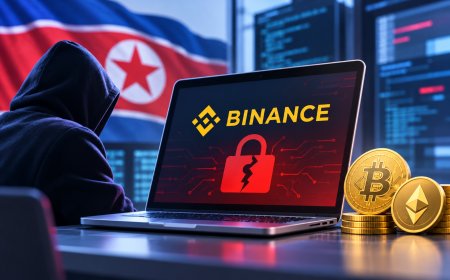
A blockchain-tracking firm used by crypto exchanges worldwide now says hackers got password hashes and live login tokens for every user.
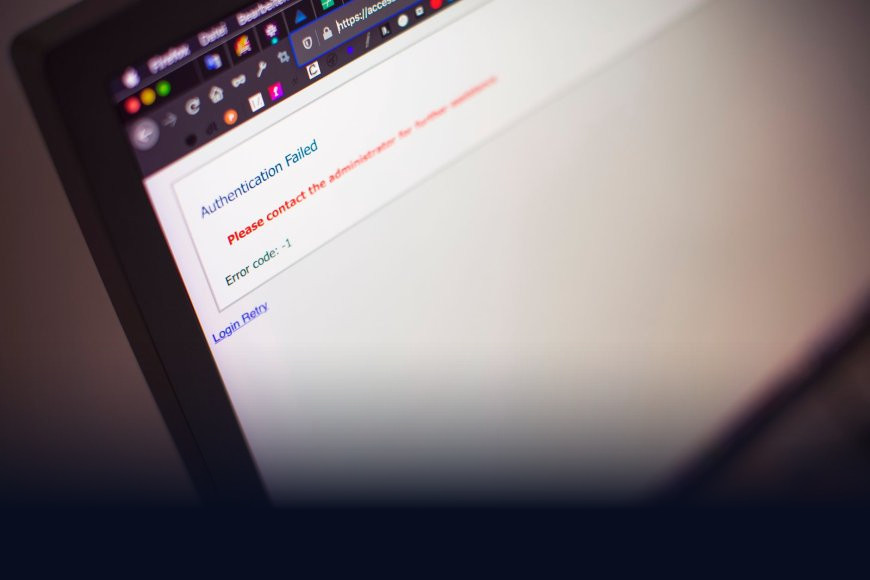
Chainalysis spent years building its name as the company law enforcement and crypto exchanges call when they need to follow money across the blockchain. Now it's the one explaining a breach that grew bigger every time it updated customers.
What Actually Got Taken
The company first disclosed a cyberattack and said it had found no evidence that session tokens were accessed. That assessment didn't hold. Within days, Chainalysis revised its own notice: names, usernames, password hashes, and live authentication tokens for every customer had been exposed to an attacker. A password hash is not your actual password — it's a scrambled, one-way version of it that a system checks against instead of storing the real thing. It's supposed to be useless to anyone who steals it. An authentication token is different: it's the digital pass your browser holds onto so you don't have to type your password in every time. Steal a live one, and you don't need to crack anything — you can potentially act as that user right away.
- Names and usernames for the full customer base
- Password hashes, which can be attacked offline with enough computing power
- Live authentication tokens, which can allow account access without a password at all
Two of its products, Reactor and Data Solutions, went offline as the company investigated. Reactor is the tool investigators use to trace stolen or laundered crypto through wallets and exchanges, so taking it down isn't a small operational call.
Why the Walk-Back Matters More Than the Breach
Breaches happen to security companies too — that alone isn't the story. What stands out here is the gap between the first statement and the second one. Telling customers "we see no evidence of X" and then coming back later with "actually, X happened to everyone" is a pattern security teams have seen before, and it tends to erode trust faster than the original incident does.
A password hash is hard to crack. A live login token doesn't need cracking at all — it just needs using.
For a firm whose entire pitch is "trust our read of who did what on-chain," a credential exposure like this invites an obvious question: if Chainalysis can't fully scope its own breach on the first try, how much confidence should its clients place in its other assessments?
Why This Isn't Just a US Story for Indian Readers
Chainalysis's own research has repeatedly placed India among the largest crypto markets in the world by transaction volume, and among the top countries for everyday, grassroots crypto use — not just institutional trading. That's exactly the customer base most exposed to downstream effects of a breach like this: Indian exchanges, compliance desks, and fintech risk teams are routine users of blockchain-analytics platforms for anti-money-laundering (AML) checks and customer screening, work mandated under India's PMLA rules for virtual digital asset providers — the same regulatory backdrop that's kept the RBI cautious on crypto even while it leans into blockchain technology. If any of that account access ran through the exposed systems, the people managing KYC and AML pipelines for Indian platforms have a very direct reason to check their own exposure, not just read about someone else's.
There's also a broader angle under India's Digital Personal Data Protection (DPDP) Act, which puts real obligations on companies to secure personal data and report breaches that affect Indian users — a reminder that "a US blockchain firm got hacked" can still trigger compliance questions on this side of the world if Indian customer or employee data was anywhere in scope.
What To Actually Do With This
- Anyone with a Chainalysis account should assume a forced password reset is coming, if it hasn't already — and should not reuse that old password anywhere else
- Turn on multi-factor authentication wherever it's offered, since a stolen password hash is far less useful against an account that also needs a second factor
- Compliance teams that lean on Chainalysis data for AML screening should treat any automated alerts or account activity since early November with a bit more scrutiny until the company confirms the incident is fully contained
The uncomfortable lesson isn't really about Chainalysis specifically. It's that the companies trusted to police security incidents for everyone else are just as capable of underestimating their own — and the honest version of a breach disclosure usually isn't the first one a company puts out.
What's Your Reaction?
 Like
0
 Dislike
0
 Love
0
 Funny
0
 Angry
0
 Sad
0
 Wow
0