
























Delhi HC Orders Takedown of AI Deepfake Videos of CM Rekha Gupta
Delhi High Court ordered AAP to remove AI deepfake videos of CM Rekha Gupta, ruling political satire doesn't excuse fabricated content.
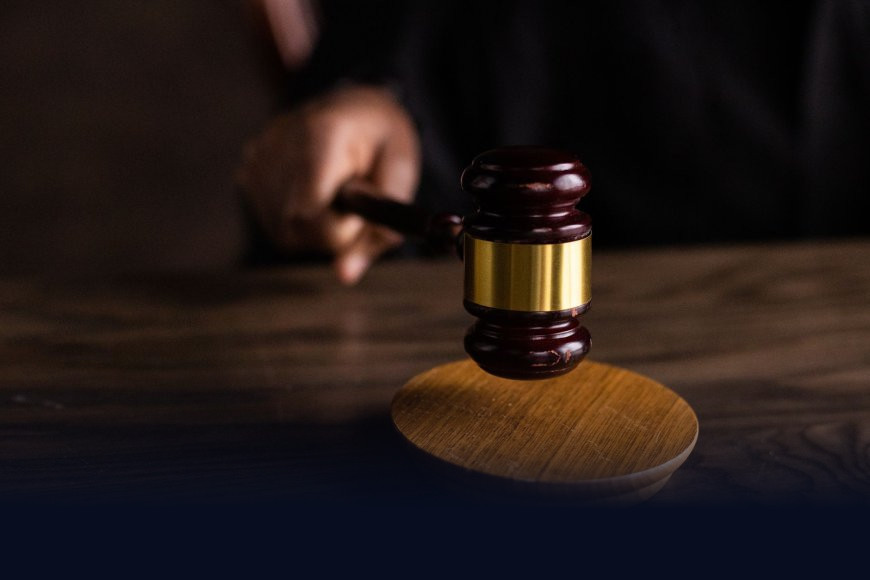
A Delhi court just told India's political parties that AI-made mockery of a sitting chief minister has limits, and it drew that line this week. On November 6, the Delhi High Court ordered the Aam Aadmi Party to pull down AI-generated videos that showed Delhi Chief Minister Rekha Gupta as a roadside liquor vendor, a hawker, and a delivery agent, after ruling that the content crossed from satire into defamation.
What the court actually ordered
The case, Smt Rekha Gupta v. Aam Aadmi Party & Ors. (CS(OS) 1019/2026), landed before Justice Manoj Jain after Gupta sued AAP and other defendants over a set of AI-generated clips and images circulating on social media. The visuals weren't crude edits — reports describe them as near-perfect imitations, good enough to make a viewer believe they were watching the real chief minister.
A deepfake, if you haven't run into the term before, is media — usually video, sometimes audio or images — generated or altered by AI to make someone appear to say or do something they never actually did. The technology that used to require a visual-effects studio now runs on a laptop, which is exactly why courts are suddenly busy with it.
The judge ordered the three relevant defendants to immediately take down the six specific URLs named in Gupta's petition. It's worth flagging that this is a prima facie order — meaning the court acted on an initial, first-look assessment of the evidence, not a final verdict after a full trial. AAP hadn't yet filed its defence when the order came through, so this story isn't over.
Why "it's just satire" didn't work
AAP's implicit defence — that this was political commentary, the kind public figures have to live with — is the same argument that's worked in other cases. Just months earlier, in a case involving Rajya Sabha MP Raghav Chadha, the Delhi High Court had found that most of the disputed content there actually was legitimate political satire about his decisions and conduct.
This time, the court drew a different conclusion. It held that while public figures must tolerate criticism, parody, and even uncomfortable humour, that tolerance doesn't stretch to AI-generated content that attacks personal dignity rather than public conduct. Portraying Gupta as someone who personally sells liquor on the street, the court reasoned, wasn't a comment on her politics — it was a fabricated personal identity, built by a machine, designed to stick in people's minds as real.
Public figures can be mocked for their decisions. What they can't be subjected to, the court found, is AI-generated content that fabricates a false personal identity under the cover of satire — content capable of spreading at the speed social media moves, long before anyone gets the chance to correct it.
Why this matters beyond one chief minister
If you're in India and you've ever forwarded a political video without checking where it came from, this case is about you too. Here's the pattern worth noticing:
- This is now at least the second high-profile Delhi High Court case this year involving AI-generated political content aimed at a specific leader.
- The same court has separately flagged deepfakes as an election-integrity risk, asking the Election Commission's lawyers' body to weigh in on misuse during Lok Sabha polling periods.
- The Ministry of Electronics and IT has been working through draft rules requiring AI-generated content to carry visible labels and embedded metadata tags, specifically to make this kind of fabricated video traceable back to its source. We covered those proposed MeitY rules in detail when they first surfaced.
What's missing right now is a dedicated deepfake law. India doesn't have one. Courts are instead stitching together relief using defamation law, the IT Act's intermediary rules, and old-fashioned injunctions — asking platforms to act under the threat of losing their safe harbour protection, the legal shield that normally keeps a platform from being held liable for what its users post, as long as it acts promptly once a court orders a takedown.
That improvisation works for a sitting chief minister with lawyers on retainer and a court willing to move fast. It works far less well for an ordinary person, a small business, or a local journalist who gets targeted by the same technology with none of that leverage. With state elections on the horizon in the next couple of years and AI video tools getting cheaper and more convincing by the month, the gap between who can get a deepfake taken down and who can't is likely to become the more urgent story.
What's Your Reaction?
 Like
0
 Dislike
0
 Love
0
 Funny
0
 Angry
0
 Sad
0
 Wow
0