































TP-Link Unveils World's First Wi-Fi 8 Router Lineup at IFA
TP-Link launched the first complete Wi-Fi 8 router and mesh lineup at IFA 2026, chasing fewer dropouts rather than bigger speed numbers.
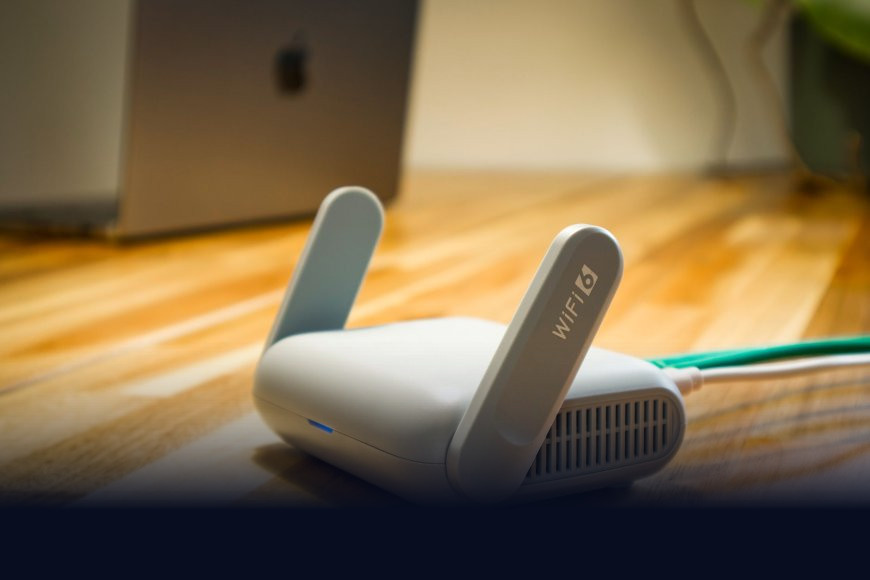
Router makers have spent a decade selling bigger speed numbers on the box. TP-Link's newest lineup is betting that speed was never really the problem in your house — the dead zone by the back bedroom was.
At IFA 2026 in Berlin, TP-Link announced what it's calling the world's first complete Wi-Fi 8 product lineup, headlined by the Archer 8 Ultra router and the Deco 8 Ultra mesh system. Both are built around draft chipsets from Broadcom, Qualcomm and MediaTek, since the underlying Wi-Fi 8 standard itself isn't finished yet.
What's actually in the box
The Archer 8 Ultra is a tri-band router packed with 18 internal antennas, rated for up to 19 Gbps of combined wireless throughput and 10 Gbps wired ports — numbers that matter far less than what TP-Link is calling its StabilityEngine, a set of software tricks aimed at keeping the connection steady rather than just fast.
- Archer 8 Ultra: tri-band router, 18 antennas, up to 19 Gbps aggregate wireless speed, 10 Gbps wired
- Deco 8 Ultra: tri-band mesh system (a set of routers that work together to blanket a whole home in one network, rather than a single box), including the 6GHz band, up to 22 Gbps in a 3-pack, covers homes up to roughly 9,800 square feet, handles 200+ connected devices
- Archer 8 Ultra pre-orders open September 30; Deco 8 Ultra follows in early 2027
Why "Wi-Fi 8" isn't about raw speed at all
Wi-Fi 8, formally IEEE 802.11bn, is unusual among wireless standards because it isn't chasing a bigger peak-speed headline the way Wi-Fi 6 or Wi-Fi 7 did. It's an "Ultra High Reliability" standard, aimed squarely at the everyday annoyances people actually notice — a video call freezing as you walk from the living room to the kitchen, a smart plug that drops off the network overnight, ten devices fighting for the same channel during a family's peak evening hours. Early projections for the finished standard point to roughly 25% better performance in weak-signal conditions and meaningfully fewer dropped connections when a device hands off between access points.
We stopped thinking of the router as a traditional networking device and instead started designing with the home in mind. When a router is designed to be in front of people, it also ends up where it works best. — Gary Chang, TP-Link's lead industrial designer
Launching before the standard is even ratified
Here's the part worth pausing on: the IEEE isn't expected to formally ratify 802.11bn until 2028, with Wi-Fi Alliance certification arriving in late 2027. TP-Link is shipping hardware built on the current draft specification roughly two years ahead of that, a pattern the networking industry has used before with earlier Wi-Fi generations, betting that the final standard stays close enough to the draft that a firmware update covers the gap. It mostly pays off for shoppers, though early adopters are effectively buying into a standard before regulators have finished writing its rulebook.
Why this matters for Indian homes specifically
India's home broadband base has grown fast on the back of JioFiber, Airtel Xstream and BSNL's FTTH push, but the router sitting in most flats is still doing the hard job of pushing signal through concrete and rebar in a way American drywall homes never have to deal with. A typical urban Indian household now runs a phone or two per person, a smart TV, maybe a video doorbell, and increasingly a work laptop on video calls all day — exactly the congestion scenario Wi-Fi 8 is built to handle better. TP-Link already runs a dedicated India press page for this launch, which suggests the Archer and Deco Ultra lines are headed here rather than staying a US/EU-only release; the open question for Indian buyers is how quickly local pricing lands, and whether it undercuts the premium mesh systems already selling well in metro India.
None of this changes what's sitting in most people's homes today. But it's a sign that the next upgrade cycle for home Wi-Fi won't be sold on a bigger number — it'll be sold on the video call that didn't freeze.
What's Your Reaction?
 Like
0
Like
0
 Dislike
0
Dislike
0
 Love
0
Love
0
 Funny
0
Funny
0
 Angry
0
Angry
0
 Sad
0
Sad
0
 Wow
0
Wow
0