


































What Is India's Digital Rupee (e₹)? e₹ vs UPI Explained
RBI's e-rupee is digital cash issued by the central bank, not a bank transfer like UPI. Here's how India's CBDC actually works.
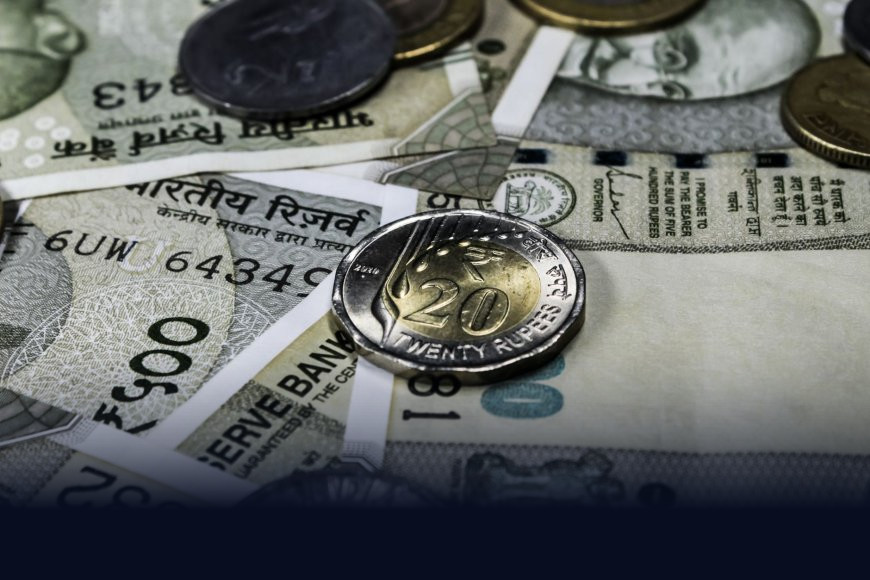
In December 2022, the Reserve Bank of India quietly let a handful of bank customers download an app and receive digital cash — not a UPI credit, not a bank transfer, but rupees issued directly by the central bank itself. Three years later, most people who've heard the term "digital rupee" still couldn't tell you how it's different from the UPI app already on their phone. That confusion is fair. The two look almost identical on screen and solve completely different problems underneath.
So What Exactly Is the Digital Rupee?
The digital rupee, or e₹, is India's central bank digital currency (CBDC) — a fancy term for "digital cash issued directly by the RBI," the same way a ₹500 note is. That distinction matters more than it sounds. Money in your bank account, the kind you move around with UPI, is technically a liability of your bank — an IOU that the bank owes you. The e₹ sitting in a digital rupee wallet is a liability of the RBI itself, exactly like the currency notes in your pocket. No bank sits in between promising to pay you back; the central bank already has.
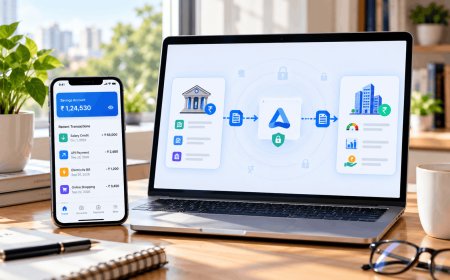
Practically, you get an e₹ wallet from a participating bank (State Bank of India, ICICI Bank, and several others have rolled it out), load it much like you'd top up any wallet app, and spend it by scanning a QR code at a shop that accepts it. On the surface, indistinguishable from UPI. Underneath, it's closer to carrying digital ten-rupee notes than to authorising a bank-to-bank transfer.
e₹ vs UPI: Why They Aren't the Same Thing
UPI is a payments rail — a system for instructing your bank to move money that already exists in your account to someone else's account, instantly. The digital rupee is a form of money itself, the way a currency note is money. Here's where the practical differences show up:
- Who's on the hook: UPI payments rely on your bank's solvency; e₹ is a direct RBI liability, so it can't really "bounce" the way a bank could theoretically fail.
- Offline payments: RBI has tested e₹ transactions that work without an internet connection, using near-field communication between two phones — genuinely useful in areas with patchy mobile networks, which is a lot of rural India.
- Anonymity: UPI transactions are fully traceable end-to-end by design. e₹ retail transactions have been piloted with limited, cash-like anonymity for small-value payments, closer to how handing over a note works.
- Underlying tech: UPI debits and credits linked bank accounts. e₹ uses a tokenised model — each digital rupee is closer to a unique, traceable "coin" than an entry in a ledger.
A digital rupee sitting in your wallet app is legally the same thing as the paper note in your pocket — it's just been given a digital shape instead of a paper one.
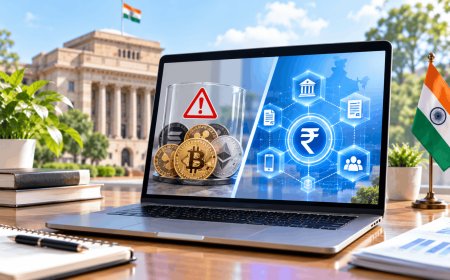
This is also why the digital rupee isn't a cryptocurrency, even though people sometimes lump the two together. A cryptocurrency like Bitcoin has no central issuer and no government backing it. The e₹ has one issuer — the RBI — and its value is pegged one-to-one with the physical rupee. If you've read about how blockchain technology actually works, it's worth noting the RBI's CBDC pilot borrows some of that same distributed-ledger thinking, but runs on a permissioned network the central bank controls — nothing like the open, anyone-can-join networks behind crypto tokens.
Why This Actually Matters for India
India already has the world's most successful real-time payments network in UPI, so the honest question is why the RBI bothered building a parallel system at all. A few reasons keep coming up in RBI's own communication: reducing the cost of printing and managing physical currency, giving citizens a genuinely risk-free digital instrument that doesn't depend on a private bank's balance sheet, and building infrastructure for programmable payments — think welfare transfers that can only be spent on specified goods, or cross-border settlement pilots India has been running with the UAE and a few other countries to cut out the dollar as a middleman.
For fintech startups and developers, the RBI has also opened up sandbox access — a controlled testing environment where companies can experiment safely before going live — to e₹ APIs for select use cases, which means the digital rupee isn't just a consumer wallet experiment — it's slowly becoming programmable infrastructure that Indian banks and payment companies can build on top of, similar to how UPI itself started as a plumbing layer before hundreds of apps were built on it.
Should You Actually Use It?
For now, honestly, there's little everyday reason to switch from UPI to e₹ — adoption remains limited to pilot cities and participating banks, and most merchants who accept UPI don't yet accept the digital rupee. But it's worth downloading your bank's e₹ wallet if it's offered, if only to understand a piece of financial infrastructure that's likely to matter more over the next few years, especially as offline and cross-border use cases mature. The digital rupee isn't trying to replace UPI's convenience; it's trying to replace what cash does, just without the paper.
What's Your Reaction?
 Like
0
Like
0
 Dislike
0
Dislike
0
 Love
0
Love
0
 Funny
0
Funny
0
 Angry
0
Angry
0
 Sad
0
Sad
0
 Wow
0
Wow
0