





































India Mobile Congress 2026: Modi's 6G, AI and Deepfake Call
PM Modi opened India Mobile Congress 2026, outlining India's 6G and AI telecom roadmap and a push for global rules against deepfakes and cyber fraud.
Yashobhoomi in New Delhi is packed this week with telecom gear, 6G demo booths, and over 300 exhibitors, as the 10th edition of the India Mobile Congress runs from October 7 to 10. Prime Minister Narendra Modi opened the event on Wednesday with a speech that went well beyond the usual ribbon-cutting, laying out where India's digital infrastructure goes next and pushing for something no single country can build alone: a global rulebook for cybercrime.
From Blanket 5G Coverage to a 6G Bet
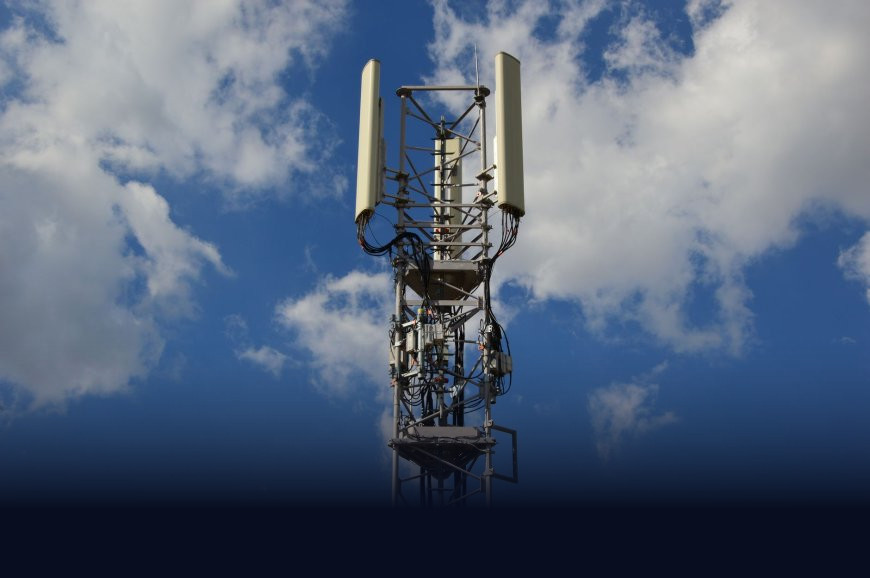
Modi's headline numbers were about what's already built. He said 5G now reaches every district in the country, running on more than 5.5 lakh base stations. That's a genuinely fast rollout by global standards, and it set up the pivot of his speech: India's "next phase" of digital growth, he said, will center on 6G, artificial intelligence, and semiconductors.
6G is still mostly a research-and-standards race right now, not a product you'll buy next year. In plain terms, it's the generation of mobile network technology expected to fold AI directly into how networks route traffic, manage spectrum, and respond to demand in real time — rather than bolting AI on as a separate layer, the way it's mostly used today. That idea, often called an "AI-native network," came up repeatedly at the event. Ahead of his speech, Modi also met with the GSMA board — the industry body representing mobile operators worldwide — where AI-native networks and India's 6G roadmap were on the agenda, alongside the Bharat 6G Alliance, the government-industry group tasked with getting India a seat at the table when global 6G standards are actually written.
The Deepfake Problem Modi Wants the World to Solve Together
The more striking part of the speech was about security, not speed. Modi argued that fraud and deception powered by AI don't stop at a border, so the response can't either.
"Cybercriminals do not recognise borders."
He specifically flagged deepfakes — AI-generated video, audio or images made to look real, often used to impersonate real people — as a problem that needs international standards, not just national ones. His proposal: build faster ways to trace where a piece of AI-generated content actually originated, and get countries to agree on common rules for emerging tech before the gap between capability and regulation gets any wider.
This isn't India's first move on the issue. MeitY, the IT ministry, has already been working through labelling and tracking rules for AI-generated content domestically — Code24 covered those draft rules in detail when they were first proposed. What Modi is now asking for is the international version of that same problem: a shared framework so a deepfake scam or an AI voice clone can be traced and acted on even when the servers, the scammer, and the victim are sitting in three different countries.
Why This Matters Beyond the Exhibition Hall
It's easy to read a PM's inauguration speech as ceremonial, but the stakes here are fairly concrete for anyone building or using digital services in India.
- Telecom operators like Jio and Airtel are already investing heavily in network infrastructure that assumes AI workloads sit inside the core network, not beside it — that shapes what 5G-Advanced and early 6G features actually look like for consumers over the next few years.
- App developers and fintechs building on India's telecom rails will eventually need to design around AI-native network APIs, not just today's 4G/5G data pipes.
- Ordinary users are the ones actually living with the deepfake problem right now — voice-cloning scams targeting UPI transfers and family members have already shown up in Indian cybercrime complaints, well ahead of any global framework being in place.
- Small businesses that rely on digital payments and customer verification have a direct stake in whether India's push for international cybercrime cooperation ever turns into enforceable agreements, rather than conference-stage talking points.
There's also a scale argument embedded in the event itself. Organisers are expecting more than 150,000 attendees across the four days, under the theme "Scale without Boundaries" — a tagline that's clearly meant to apply to networks and to India's ambitions in setting global tech standards, not just to the conference floor.
The Real Test Comes After the Conference Ends
Speeches about international cooperation on cybercrime are easy to give and hard to act on — getting dozens of countries with different legal systems, different priorities, and sometimes outright hostile relationships to agree on shared rules for tracing AI content is a multi-year diplomatic grind, if it happens at all. India has leverage here: it's one of the largest mobile markets on earth and increasingly a vocal player in global tech standard-setting, not just a consumer of other countries' rules. Whether that leverage turns into an actual working framework, or just another well-attended panel topic at next year's IMC, is the thing worth watching once the exhibition booths come down.
What's Your Reaction?
 Like
0
Like
0
 Dislike
0
Dislike
0
 Love
0
Love
0
 Funny
0
Funny
0
 Angry
0
Angry
0
 Sad
0
Sad
0
 Wow
0
Wow
0