





































Meta's $17 Billion Teen Safety Settlement: What Changes for Instagram
Meta will pay up to $17 billion and cap teen accounts to 2 hours a day by default after a landmark US settlement — and why India isn't covered.
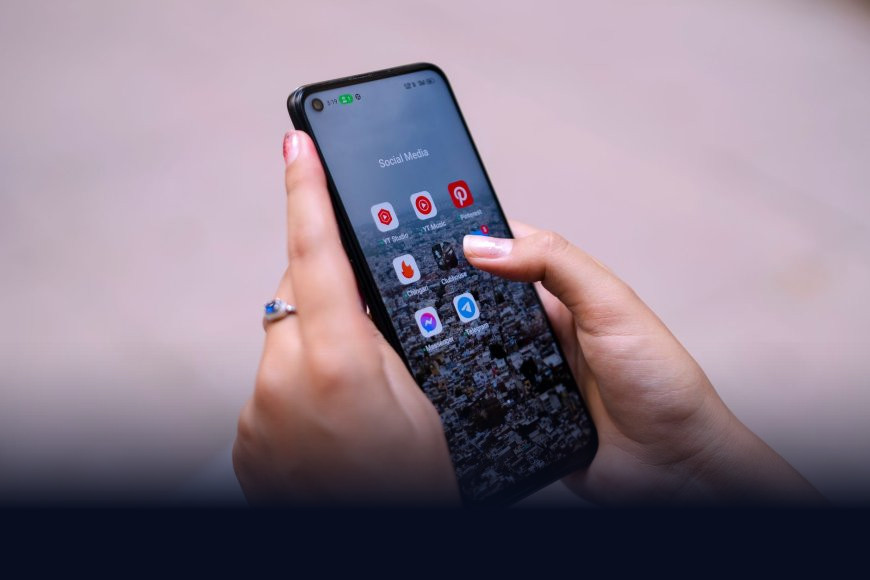
Starting later this year, a 15-year-old's Instagram account in the United States will simply stop scrolling after two hours a day, and no amount of tapping "just five more minutes" will override it unless a parent unlocks it. That's not a new engagement feature Meta cooked up. It's a court-ordered brake, and it's arriving because Meta just agreed to pay up to $17 billion to end one of the biggest legal fights the tech industry has ever faced.
What Meta actually agreed to
A bipartisan coalition of dozens of US state attorneys general — the top law officers of each state, who sued jointly — had accused Meta of deliberately engineering Facebook and Instagram to hook teenagers, using tricks like infinite scroll (a feed that never visibly ends, so there's no natural stopping point) and a constant drip of notifications, while allegedly burying its own internal research on the harm. Rather than let the trial run its full course, Meta settled.
The deal, reported at roughly $17-18 billion paid out over ten years, is the largest settlement a Big Tech company has ever agreed to in a case like this. Money aside, the more consequential part is the list of product changes Meta has committed to for under-18 users:
- A default two-hour daily screen-time cap that only a parent can lift
- Notifications blocked automatically during school hours
- Autoplay video and personalized algorithmic feeds switched off by default
- Like and reaction counts hidden from view for minors
California Attorney General Rob Bonta, one of the officials who pushed the case, put the real stakes plainly:
"The core of this case is not the financial penalties that Meta is paying — it's the business practices that they will change that will help protect the mental health of our kids."
Meta, for its part, still denies it designed its apps to be addictive, but agreed to the changes rather than risk what a jury might have decided.
Why this took years to arrive
The lawsuit built on years of reporting and leaked internal research suggesting Meta knew Instagram was linked to body-image issues and anxiety in teen girls, and kept pushing forward anyway because engagement metrics looked good. North Carolina's attorney general, Jeff Jackson, argued that dragging the case through a full trial would have cost more than money — it would have meant "losing another generation" before any safeguards took effect. That framing is why the settlement leans so heavily on default settings rather than just a payout: defaults are what most users, especially teenagers, actually experience, since very few people ever go digging through an app's privacy menu to turn something off.
The India angle nobody's mentioned yet
Here's the thing this settlement doesn't cover: none of it applies outside the US. Meta's changes are a response to American state law, and India — where Facebook and Instagram between them count their single largest user base on the planet, well ahead of the US — isn't part of the deal at all.
India does have its own, still-maturing answer to this problem. The Digital Personal Data Protection (DPDP) Act, 2023 requires platforms to get verifiable parental consent before processing a child's personal data, and bars targeted advertising aimed at anyone under 18 once its child-data rules kick in fully. But India has no equivalent of the state-attorneys-general machinery that produced this settlement — no coordinated multi-state litigation apparatus, and so far no lawsuit forcing a platform to hand over specific product defaults like a screen-time cap or hidden like-counts. Enforcement here still leans on IT Rules compliance and grievance officers rather than a $17 billion consent decree.
That leaves an open question for Indian parents and regulators: does Meta ever bring the same default two-hour cap, blocked school-hours notifications, and hidden like-counts to Indian teenagers, or does "safety by default" stay a US-only feature because that's where the legal pressure came from? Running separate safety defaults per country isn't technically hard for a company Meta's size — it already does exactly that for the EU's privacy rules — so the real barrier is regulatory pressure, not engineering.
What actually changes now
For American teens, the practical result should show up within months: shorter default sessions, quieter phones during class, and feeds that stop chasing the next dopamine hit quite so aggressively. For everyone else, this settlement is really a template. It shows regulators elsewhere exactly which levers move the needle — not fines alone, but forced defaults that don't depend on a teenager's willpower. Whether India's regulators reach for that same playbook, or wait for their own version of this lawsuit to force the issue, is the more interesting story to watch from here.
What's Your Reaction?
 Like
1
Like
1
 Dislike
0
Dislike
0
 Love
1
Love
1
 Funny
0
Funny
0
 Angry
0
Angry
0
 Sad
0
Sad
0
 Wow
0
Wow
0