







































Starlink Is Ready for India, But the Paperwork Still Isn't
Starlink says its ground stations and licenses are in place in India, but spectrum pricing and security clearance are still pending.
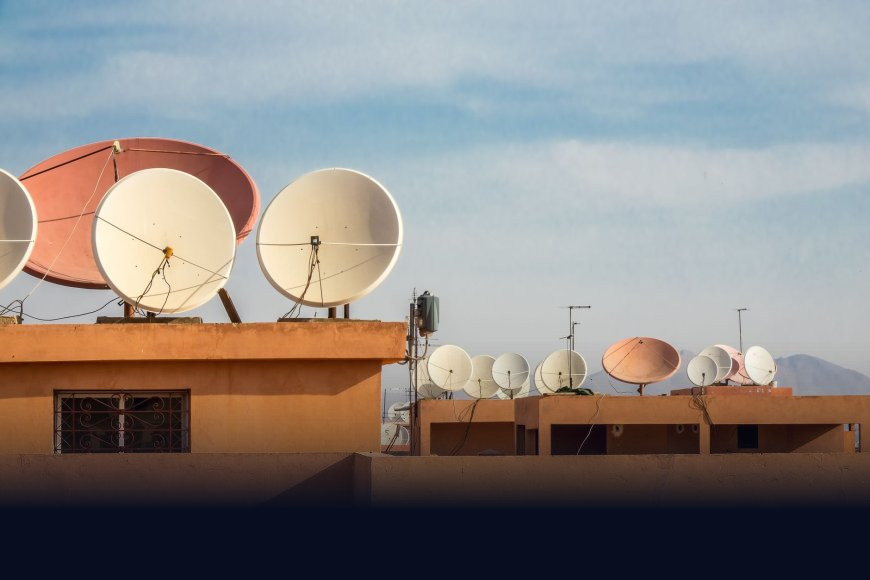
Elon Musk's satellite internet company says the hard part is done. The ground stations are built, the licenses are signed, and the dishes are ready to ship. What's missing is a single government sign-off that's been stuck in process for over a year.
What Starlink Has Already Done
This isn't a company still figuring out whether to enter India. Starlink already holds a GMPCS license from India's Department of Telecommunications — the category of permit that covers global satellite phone and data services — and has clearance from IN-SPACe, the government body that approves private space activity in India. On the ground, it has reportedly built more than 20 gateway sites, the physical stations that link its satellite constellation to local internet networks. It has also struck retail partnerships with both Reliance Jio and Bharti Airtel, meaning India's two biggest telecom operators would end up selling Starlink kits alongside their own SIM cards.
By any normal measure, that's a company ready to flip the switch. Instead, Starlink has spent months publicly repeating some version of "we're ready whenever they say go."
Why the Rollout Is Still Stuck
Three things are holding it back, and none of them are about technology.
- Spectrum pricing: India hasn't finalized how much satellite operators will pay for the airwaves they use, or how that spectrum gets handed out.
- Security clearance: Foreign-owned networks carrying Indian user data get an extra layer of government vetting before they're allowed to operate commercially.
- FDI approval: Starlink's ownership structure still needs a formal sign-off under India's foreign investment rules for the telecom sector.
The spectrum question is the messiest of the three. The global norm for satellite spectrum is administrative allocation — the government assigns it directly, the way it's done almost everywhere satellite broadband already runs. Jio has pushed back hard on that, arguing for an auction instead, the same competitive-bidding process used for terrestrial mobile spectrum. Airtel's position has shifted too, now backing auctions for spectrum used in cities while still supporting administrative allocation for rural areas. That's a notable twist, since both companies are simultaneously Starlink's retail partners and, through their own satellite ventures, its indirect competitors.
What This Actually Means for Indian Users
Satellite internet isn't really being built for people who already have fiber or decent 4G. It's aimed at the villages and hill districts where laying cable has never been commercially worth it for any telecom operator. That's the real stakes here — not whether Starlink users in Bengaluru get a faster alternative to broadband, but whether someone in a Himalayan valley or a Northeastern district gets reliable internet at all.
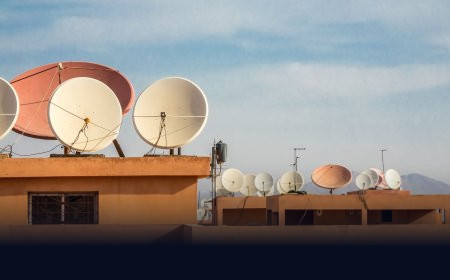
Fibre never reached these villages. A dish on the roof might.
Pricing speculation has floated around Rs 30,000–35,000 for the hardware kit and Rs 3,000–4,200 a month for service, though none of that is confirmed yet since the regulatory framework it depends on isn't finished. That's steep next to a typical Indian broadband bill, which is part of why analysts expect satellite internet to stay a niche, rural-first product here rather than a mass-market challenger to Jio Fiber or Airtel Xstream, at least for the next few years.
The Road Ahead
Amazon's rival constellation, recently rebranded from Project Kuiper to Leo, is watching India's spectrum decision just as closely — whatever framework India lands on for Starlink will likely set the template every other satellite entrant has to follow, including Eutelsat OneWeb, which already has its own Indian license. A former government secretary, EAS Sarma, has even written to the Department of Telecommunications questioning the decision to lean toward administrative allocation, which shows this isn't a settled matter even inside the bureaucracy.
None of this is likely to move fast. India's telecom regulatory process has a track record of taking its time on exactly these kinds of foreign-versus-domestic, auction-versus-allocation fights. Starlink can keep building gateway sites and signing retail deals for as long as it wants — until the spectrum pricing is settled, there's no service to sell.
What's Your Reaction?
 Like
0
 Dislike
0
 Love
0
 Funny
0
 Angry
0
 Sad
0
 Wow
0