


Tesla's Driverless Cybercab Faces Federal Investigation in Texas
NHTSA opened a federal audit into Tesla's steering-wheel-free Cybercab just a day after its Austin debut, testing rules built for human drivers.
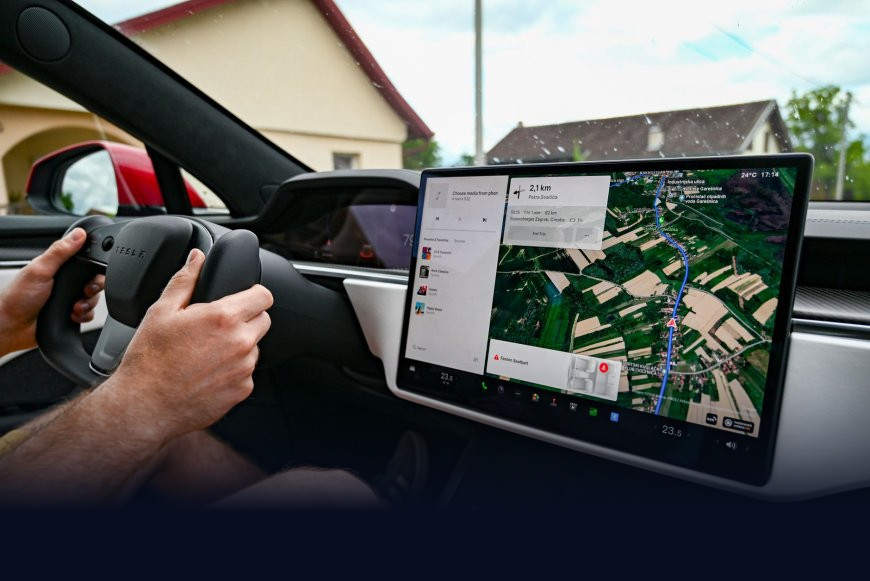
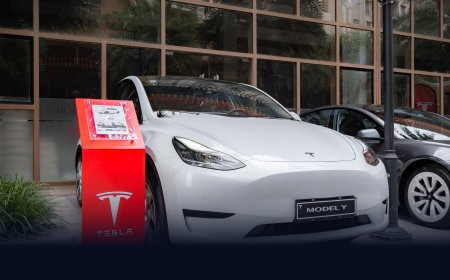
One day. That's how long Tesla's driverless Cybercabs got to run in Austin before federal regulators showed up with questions. On September 4, the National Highway Traffic Safety Administration opened a formal audit into how Tesla certified a car with no steering wheel and no pedals as road-legal in the first place.
This isn't a recall, and nobody's been ordered off the road yet. But it's the first real regulatory test of a vehicle that throws out nearly every physical control that American traffic law was written around.
What NHTSA actually wants to know
The process here is called an "audit query" — basically a formal request where a regulator asks a company to hand over the paperwork and engineering data behind a safety claim, rather than just taking its word for it. Every car sold in the US has to meet Federal Motor Vehicle Safety Standards (FMVSS), a rulebook that assumes a human is gripping a wheel and pressing pedals. Since Tesla's Cybercab has neither, the company had to argue that those specific rules simply don't apply to its design, and self-certify accordingly.
NHTSA isn't convinced that self-assessment should be the last word, especially for a vehicle carrying paying passengers on public roads. The agency wants to see:
- The technical basis Tesla used to decide which FMVSS rules don't apply to a car with no manual controls
- Internal test data supporting that the Cybercab is safe without a human fallback option
- Documentation on how the company reached its self-certification decision at all
There's already a playbook for this. Amazon's Zoox self-certified its own control-free robotaxi back in 2022 and went through the same audit process — it took until this past July for Zoox to get approval for even limited commercial rides. If Tesla's timeline looks anything like that, don't expect Cybercabs to expand much beyond Austin anytime soon.
Why "self-certification" is the real story here
A car company deciding, on its own, which safety rules don't apply to it is either the fastest way to ship real innovation — or the fastest way to end up in front of a Senate committee.
That tension is exactly what makes this case worth watching. Tesla didn't wait for NHTSA to bless the Cybercab's design before putting fare-paying riders in it. It made its own legal judgment call and started operating. Regulators catching up after the fact, rather than approving in advance, is becoming the default pattern for how driverless vehicles reach American streets — move first, defend the paperwork later.
What this means if you're watching from India
India doesn't have a Cybercab to argue about yet, and that's partly the point. The government's stance on fully autonomous, driver-free vehicles has been openly cool — officials have said in the past that India isn't going to permit driverless cars on its roads any time soon, largely over the jobs that millions of drivers depend on. The Central Motor Vehicle Rules still assume a licensed human is behind the wheel, full stop.
But that gap is worth paying attention to, not dismissing. Companies like Ola, Ather, and a growing list of homegrown autonomy startups are building the underlying self-driving stack even if there's no legal path to a steering-wheel-free product here today. How the US resolves this fight over self-certification versus regulator approval will likely become the template India's own transport ministry reaches for whenever it eventually has to write rules for cars that don't have a driver's seat in the traditional sense. Indian regulators watching this NHTSA audit are effectively getting a free look at every argument they'll need to have themselves, years before they have to have it. Readers who followed our earlier coverage of the Cybercab's Austin launch already know how fast Tesla moved from "testing" to "paid rides" — this audit is the direct consequence of that speed.
The bigger pattern
Set aside Tesla specifically for a second. Robotaxis, delivery bots, and now steering-wheel-free passenger cars are all arriving faster than the rulebooks meant to govern them. Every regulator in every country is going to face some version of this exact question: do you let a company self-certify novel hardware and investigate afterward, or do you insist on sign-off before a single paying passenger gets in?
NHTSA just chose "investigate afterward." Whether that turns out to be the right call for a vehicle with literally no way for a human to grab a wheel in an emergency is the thing this audit is actually going to decide — and every other country building toward driverless cars is watching to see who gets to write the rulebook first.
What's Your Reaction?
 Like
0
Like
0
 Dislike
0
Dislike
0
 Love
0
Love
0
 Funny
0
Funny
0
 Angry
0
Angry
0
 Sad
0
Sad
0
 Wow
0
Wow
0