

























Tesla's Cybercab Starts Driverless Rides in Austin
Tesla's driverless Cybercab began paid rides in Austin this week. Here's what launched, and why India's transport policy blocks it for now.
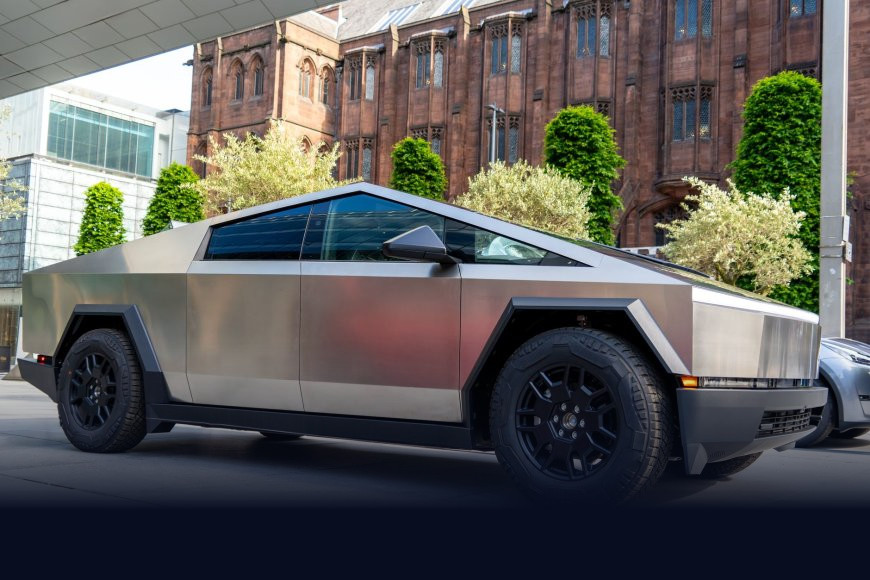
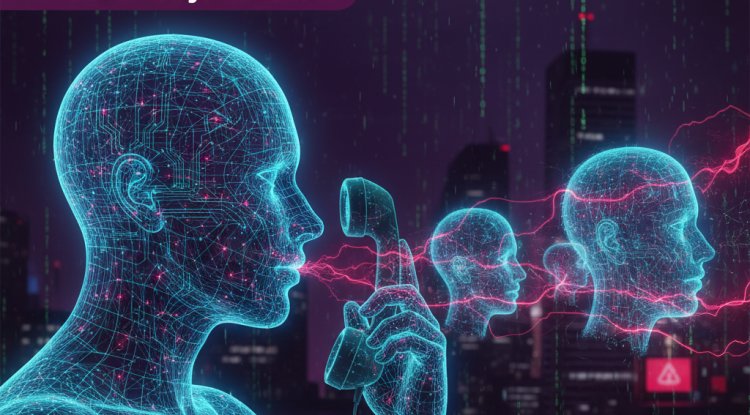
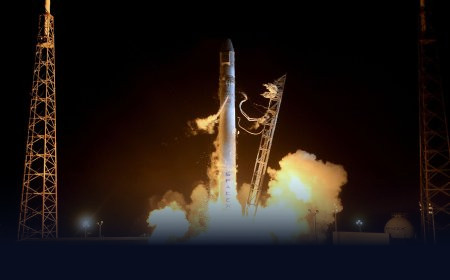
No steering wheel. No pedals. No driver. This week, Tesla's two-seat Cybercab started picking up paying riders on the streets of Austin, Texas — and it did it quietly enough that most people scrolling past the headlines probably missed how big a shift this actually is.
From reveal to real rides, in one week
Tesla held an invite-only launch event in Austin on September 3 for winners of its Robotaxi rider sweepstakes, then livestreamed it for everyone else. The car itself looks like nothing else on the road: a low, gold-tinted two-seater with butterfly doors and an interior stripped down to almost nothing, because it was never meant to have a human in charge. It runs on Tesla's AI4 computer — the onboard chip and software stack that processes camera feeds and makes driving decisions in real time — paired with the company's Full Self-Driving (FSD) software.
What makes this different from a typical concept-car unveiling is the timeline. Tesla isn't waiting months to put Cybercab to work. Riders in Austin could reportedly hail one through the existing Robotaxi app within a week of the event, slotting it straight into a service that already runs modified, driverless Model Ys across several US cities, including:
- Austin, Texas
- Dallas and Houston
- Miami, Orlando, and Tampa in Florida
Tesla's stated ambition is to have Cybercabs running in ten cities by the end of 2026, and to get the economics — the cost of running each ride versus what it earns — into positive territory by mid-2027. Wall Street wasn't fully convinced: Tesla stock slipped nearly 3.7% the day after the event, with investors noting the company gave few specifics on how large the actual fleet would be.
Why this matters beyond Austin
A car with no steering wheel is a bet that regulators, insurers, and nervous first-time riders will all eventually say yes. Tesla just started collecting the data to make that case.
That's really what a commercial robotaxi launch is: not a tech demo, but a slow campaign to prove that removing the human is safe often enough, and cheap enough, to matter. Every mile Cybercab drives in Austin becomes evidence Tesla can point to elsewhere.
Where India fits into this picture
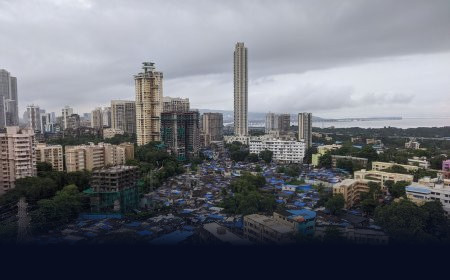
For Indian readers, the honest answer is: not yet, and maybe not for a while. Tesla only opened its first Indian showroom in Mumbai's Bandra Kurla Complex in July 2025, and even that was purely a sales operation — an imported Model Y priced upwards of ₹60 lakh, with no local manufacturing and certainly no robotaxi ambitions attached.
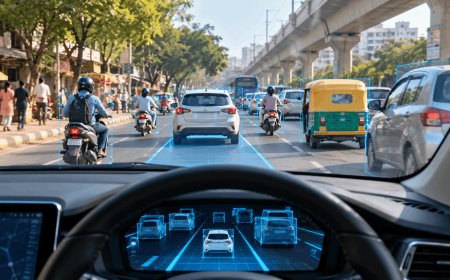
More importantly, India's own policy stance cuts directly against what just happened in Austin. Union transport minister Nitin Gadkari has said repeatedly, including at road safety forums, that India will not permit driverless cars on its roads. His reasoning has two parts: the country's transport sector employs an estimated 70-80 lakh people as truck, taxi, auto-rickshaw, and private drivers, and Indian roads carry a chaotic mix of two-wheelers, handcarts, buses, and pedestrians that autonomous systems trained mostly on orderly US traffic would likely struggle with. That's a meaningfully different calculation from a Texas highway.
So while Silicon Valley treats a driverless car as inevitable, New Delhi is treating it as a policy risk to be managed, not a technology to be welcomed. For India's ride-hailing drivers and the app-based gig economy built around them, that stance — for now — is the thing actually protecting their livelihoods, not any lag in the underlying technology.
What to watch next
The real test for Tesla isn't whether Cybercab can drive without a wheel — it's whether the company can scale the fleet fast enough, and safely enough, to hit that mid-2027 profitability target before a serious incident forces regulators everywhere, including ones far more cautious than the US, to slow it down. Every country will eventually have to answer the same question India already has: is this worth the jobs it costs before it's proven it saves lives?
What's Your Reaction?
 Like
0
Like
0
 Dislike
0
Dislike
0
 Love
0
Love
0
 Funny
0
Funny
0
 Angry
0
Angry
0
 Sad
0
Sad
0
 Wow
0
Wow
0