

































Qualcomm Signs $60 Billion AI Chip Deal With Amazon
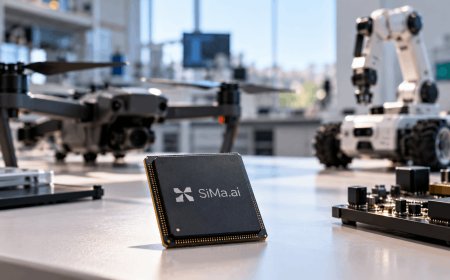
Qualcomm will design custom AI inference chips for Amazon's data centers in a multi-year deal worth up to $60 billion.
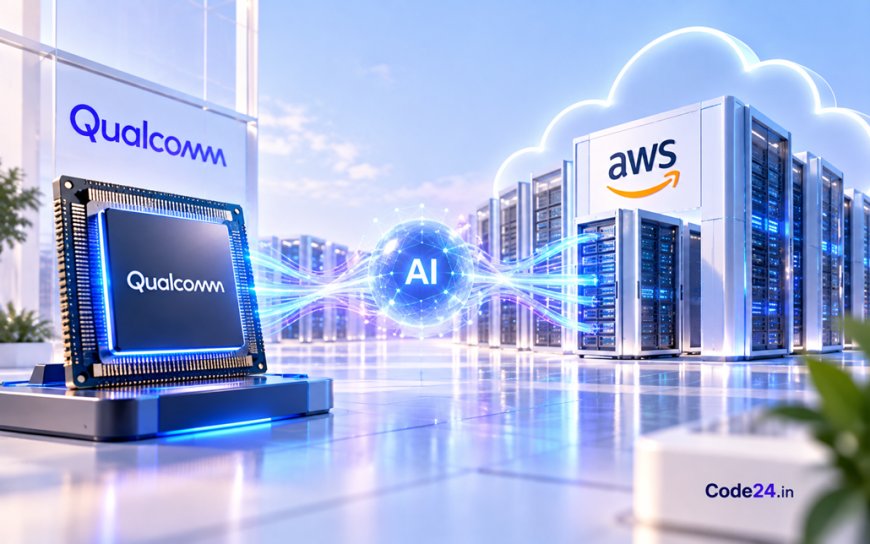
Amazon just handed Qualcomm warrants worth $4 billion in stock — and that's the smaller number in this deal. The real figure is $60 billion, the total value of AI chips Amazon could eventually buy from a company best known for putting processors inside phones.
What Qualcomm and Amazon actually signed up for
On September 8, Qualcomm and Amazon Web Services (AWS) announced a multi-generation partnership to co-develop custom silicon for AWS's data centers, the massive server farms that run everything from Alexa to enterprise cloud workloads. The chips are built specifically for AI inference — the process of actually running a trained AI model to answer a question or generate an image, as opposed to the far more compute-hungry job of training it in the first place. Inference is what happens billions of times a day, every time someone asks a chatbot something, so it's the workload cloud providers care most about making cheap and fast at scale.
Alongside the chips, the two companies are also building out optical interconnects rated at 1.6 terabits per second — essentially very fast fiber-based wiring that lets thousands of chips inside a data center talk to each other without becoming the bottleneck.
The financial structure is unusual. Qualcomm issued Amazon warrants (a contract giving the right to buy stock later at a locked-in price) for 25 million shares at $161.26 each, worth roughly $4 billion upfront. But those warrants vest in stages tied to how much Amazon actually orders, with the total deal potentially reaching $60 billion over several chip generations. Qualcomm says it's already in production with Amazon and expects the first revenue to show up in its December quarter.
Why a phone-chip company is chasing data centers
Qualcomm has spent years trying to reduce how much of its business depends on smartphone chipsets, and this is its biggest swing yet at the data center market that Nvidia currently dominates and that Broadcom and Marvell have already carved out lucrative custom-silicon businesses in by building chips for Google and Meta. Qualcomm is arriving late, but it's arriving with a plan built specifically around inference rather than training.
"This is the ideal and logical time for Qualcomm to enter the market, as agentic workloads are reshaping the economics of AI," said Qualcomm CEO Cristiano Amon. "Efficient token generation and total cost of ownership are fundamental to scaling AI... hybrid inference will evolve across the entire compute continuum from data center to on-premise network edge and edge devices."
Investors liked what they heard — Qualcomm's stock jumped as much as 9-10% the day the deal was announced, a big single-day move for a company its size. A few of the deal's specifics stand out:
- Up to $60 billion in potential chip and infrastructure purchases across multiple generations
- $4 billion in warrants issued upfront, vesting only as Amazon places real orders
- Custom silicon built specifically for inference workloads, not model training
- 1.6T optical connectivity to link chips inside AWS data centers
- Qualcomm expects the relationship to start contributing revenue this December quarter
What this means for India
This isn't just a Wall Street story. Qualcomm's largest engineering base outside its San Diego headquarters sits in Hyderabad, Bengaluru, and Chennai, where more than 18,000 engineers work on everything from modem firmware to AI accelerator design — and the company completed a 2-nanometre chip tape-out (the final, unchangeable design stage before a chip goes to a fab for manufacturing) out of those very centers earlier this year. Qualcomm is reportedly aiming for 20,000 employees in India by 2027. A multi-generation silicon program of this scale doesn't get designed in a vacuum — it runs through the same engineering pipeline that already owns large chunks of Qualcomm's chipset roadmap, which means Indian engineers will likely be doing meaningful work on chips headed straight into American data centers.
There's a cloud-cost angle too. AWS already runs data center regions out of Mumbai and Hyderabad, and Indian startups and enterprises building AI products lean heavily on AWS for the compute behind them. More competition in custom AI silicon, rather than everyone depending solely on Nvidia GPUs, is generally good news for anyone paying by the hour for inference — it's the same underlying dynamic Code24 covered when AMD crossed a trillion dollars in market value on the back of surging AI chip demand: when supply is concentrated in one or two vendors, prices and availability both get squeezed, and Indian developers feel that squeeze just as much as anyone else.
A crowded race with one new entrant
Nvidia isn't going anywhere — its GPUs remain the default choice for training and much of inference too. But Amazon, like Google and Meta before it, clearly wants leverage over its biggest infrastructure cost, and custom silicon is how big cloud providers get that leverage. What's notable here is that Qualcomm, not a traditional data-center chip company, is now the fourth name in a business that used to have room for just Broadcom and Marvell alongside Nvidia. Whether Qualcomm can actually execute at data-center scale, reliably, generation after generation, is the real test starting this December — the warrants only fully vest if the orders keep coming.
What's Your Reaction?
 Like
0
Like
0
 Dislike
0
Dislike
0
 Love
0
Love
0
 Funny
0
Funny
0
 Angry
0
Angry
0
 Sad
0
Sad
0
 Wow
0
Wow
0