









Buy Now, Pay Later Explained: How BNPL Works in India
BNPL feels like free money, but it's a real loan. Here's how it works in India, the RBI rules behind it, and where people get caught out.
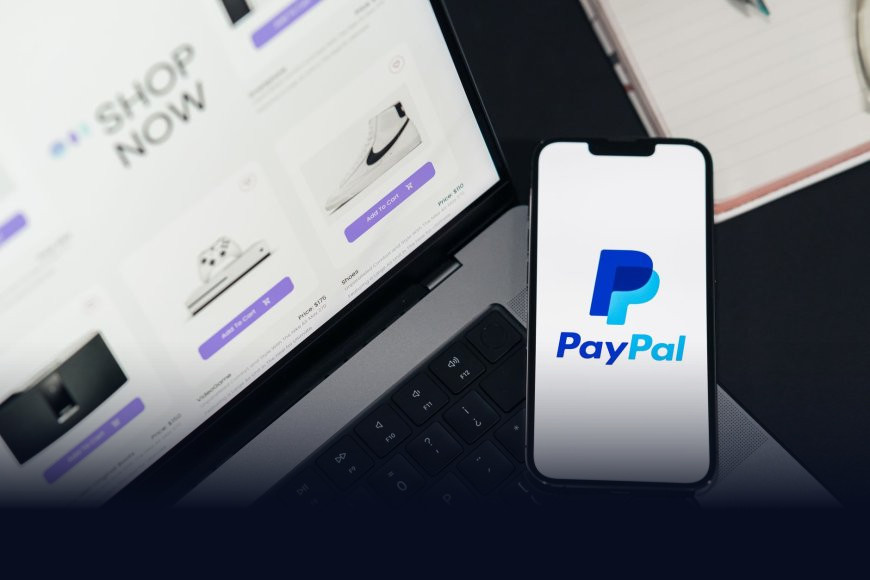
You're checking out on a shopping app, and right next to "Pay Now" sits a friendlier button: "Pay in 3 parts, zero interest" or "Pay Later, due in 15 days." No form-filling, no waiting for approval, just a tap. That's Buy Now, Pay Later, or BNPL, and it has quietly become one of the most common ways Indians shop online, whether they realize they've taken on a loan or not.
What BNPL actually is
Strip away the branding and BNPL is short-term credit, handed out almost instantly, usually for a purchase you're already making. A fintech company or a bank's lending arm — often a Non-Banking Financial Company, or NBFC, which is a lender that isn't a full bank but is still regulated — pays the merchant on your behalf. You then repay that lender, either in a lump sum within a few weeks or in a handful of installments.
The approval is fast because it skips most of the paperwork a traditional loan needs. Instead, the app has already run a quick background credit check using your phone number, past transaction history, and sometimes data from credit bureaus, and assigned you a spending limit before you even reach checkout.
How it's different from a credit card or an EMI
People often lump BNPL in with credit cards or EMI (Equated Monthly Installment, the fixed monthly payment you make to repay a loan), but the mechanics aren't identical.
- Credit card: a revolving credit line you can use anywhere, with interest charged only if you don't clear the full bill by the due date.
- EMI: typically tied to a specific, often larger purchase, spread over months, usually with interest built in from the start.
- BNPL: usually interest-free for a short window (say 15–45 days), smaller ticket sizes, and approval that doesn't require the credit history a card application does — which is exactly why it's popular with people who don't qualify for a credit card yet.
That last point is the real reason BNPL took off in India: a huge number of first-time online shoppers, students, and gig workers simply don't have a credit card, but they do have a smartphone and a UPI-linked bank account.
The India angle: why this isn't a lightly regulated free-for-all anymore
BNPL in India sits squarely under the Reserve Bank of India's digital lending rules. After a wave of complaints about aggressive recovery practices and unclear terms from lending apps, the RBI tightened the rules in 2022, requiring that loans be disbursed directly into the borrower's bank account (not routed through a loaded wallet the app controls) and that all fees be disclosed upfront in a clear statement, not buried in app settings.
This mattered because several BNPL players didn't survive the shakeout. ZestMoney, once one of the bigger names in Indian BNPL, shut down in 2023 after funding dried up and regulatory pressure mounted. The survivors — LazyPay, Simpl, Amazon Pay Later, Flipkart Pay Later, and card-based entrants like Slice and Kiwi — now operate with tighter disclosure requirements and, in most cases, a partner bank or NBFC actually underwriting the loan.
Interest-free credit is still credit. The "free" part only holds if you pay on time, every time.
There's a credit score consequence too, and it's one a lot of first-time users miss. Several BNPL providers now report your repayment behavior to credit bureaus like CIBIL, TransUnion, or Experian. Pay on schedule and you can actually build credit history from scratch, which helps later when you apply for a real loan. Miss payments, though, and that short-term convenience purchase can leave a mark on your credit score for years.
Where people get caught out
None of this makes BNPL inherently bad, but the design — frictionless approval, no upfront interest, buried terms — makes it easy to overextend without noticing.
- Stacking multiple BNPL accounts: it's possible to have an active balance on three or four different apps at once, each feeling small individually but adding up fast.
- Late fees that aren't "interest" but function like it: a flat penalty on a missed payment can work out to a higher effective rate than a credit card would ever charge.
- Data permissions: many BNPL apps ask for contact list access or SMS read permissions during onboarding, a practice India's Digital Personal Data Protection (DPDP) Act is meant to rein in by requiring clear, specific consent for what data gets collected and why.
- Treating it as "free money": the zero-interest window creates a psychological gap between spending and feeling like you've spent anything.
The practical takeaway
BNPL isn't a trick, and used deliberately — for a genuine short-term cash flow gap, repaid on the first due date — it's a reasonable tool, arguably safer for a first-time borrower than jumping straight into a high-limit credit card. The failure mode isn't the product, it's treating each individual "pay later" button as a decision made in isolation rather than adding up what you already owe across every app on your phone. Before you tap it, check the due date, check whether it reports to a credit bureau, and add it to the same mental tally you'd keep for any other loan — because that's what it is.
What's Your Reaction?
 Like
0
Like
0
 Dislike
0
Dislike
0
 Love
0
Love
0
 Funny
0
Funny
0
 Angry
0
Angry
0
 Sad
0
Sad
0
 Wow
0
Wow
0