
































Motorola Signature 27 Ends GrapheneOS's Pixel-Only Era
Motorola's Signature 27 is the first non-Pixel phone with official GrapheneOS support, breaking Google's grip on privacy-hardened Android.
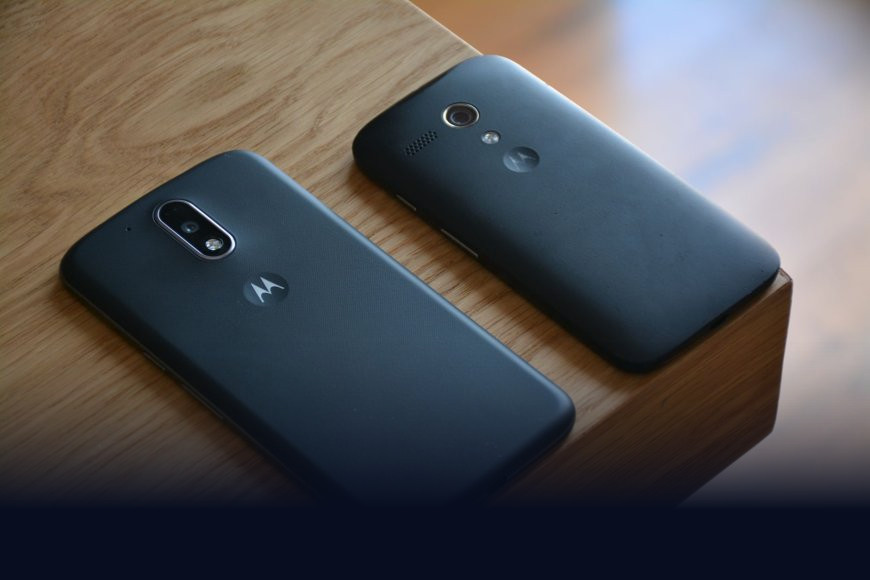
For nearly six years, running GrapheneOS officially meant buying a Google Pixel. There was no way around it. Motorola just broke that rule: its upcoming Signature 27 flagship, shown off at the Qualcomm Tech Summit in Hawaii, will be the first phone from outside the Pixel line to carry official GrapheneOS support.
What GrapheneOS actually is
If you haven't run into it before, GrapheneOS is a stripped-down, security-hardened version of Android built for people who want their phone to leak as little data as possible. Think of it as Android with the Google tracking layer removed and the locks reinforced — no default Google apps, no background telemetry, and extra sandboxing so that even if one app gets compromised, it can't easily reach into the rest of your phone. It's popular with journalists, activists, security researchers, and just plain privacy-conscious users, but until now the catch was hardware: you needed a Pixel, because Google's chips and bootloader — the low-level software that decides which operating system a phone is even allowed to start up — were the only combination GrapheneOS's developers trusted enough to certify.
Motorola and the GrapheneOS project quietly announced they were working together back in March, and the Signature 27 is the first phone to come out of that deal. It runs on Qualcomm's new Snapdragon 8 Elite Extreme Gen 6, carries a quad-camera setup headlined by a 200-megapixel periscope telephoto lens, and has an audio system tuned with Bang & Olufsen. None of that is unusual for a 2026 flagship — what's unusual is that Motorola is opening the bootloader up enough for GrapheneOS to be certified on it at all.
Why breaking the Pixel monopoly matters
This sounds like a niche detail, but it solves a real, uncomfortable problem for the privacy crowd. Wanting to escape Google's ecosystem while being forced to buy Google's hardware to do it was always an awkward contradiction. A single-vendor dependency is also just risky: if Google ever changed its bootloader policy or discontinued Pixel, the entire hardened-Android movement would have nowhere to go.
- GrapheneOS stops being tied to one company's hardware roadmap and pricing.
- Buyers get a phone with flagship camera and audio hardware instead of Pixel's mid-tier cameras.
- Enterprises and journalists who need verifiable hardened devices get a second qualified supplier.
A privacy operating system is only as free as the hardware it's allowed to run on.
Motorola says only a subset of its future phones will get this treatment, and GrapheneOS itself has been clear that certification is a slow, hardware-by-hardware process — it isn't simply flipping a switch on existing Motorola phones. The Signature 27 is expected in North America in November, though Motorola hasn't said what it will cost.
What this means for Indian buyers
India doesn't have an official GrapheneOS phone today. Anyone here who wants one has had to import a Pixel and, in many cases, flash the software themselves, since GrapheneOS isn't preloaded at retail. That's a meaningful barrier in a market where warranty support and after-sales service matter a lot to buyers, and where grey-market imports carry their own risks.
Motorola, unlike Google's Pixel line, already has deep retail relationships in India through Flipkart and offline stores, and its Moto Edge and Razr phones sell well here. If Motorola eventually brings a GrapheneOS-certified phone to the Indian market officially, it would be the first time buyers could walk away with a hardened-privacy phone, warranty included, without touching a bootloader unlock tool.
The timing lines up with a broader shift in how seriously Indian users are being asked to think about data privacy. The Digital Personal Data Protection (DPDP) Act has pushed companies operating in India to be far more explicit about what user data they collect and why, and a growing number of Indian professionals — lawyers, journalists, security researchers — are actively looking for phones that minimise what leaves the device in the first place. A mainstream flagship with hardened-Android support, sold through normal retail channels, would matter more here than it might in markets where imported Pixels are already easy to buy.
The bigger picture
None of this makes GrapheneOS mainstream overnight. It's still a niche pursuit that involves giving up some convenience — no Google Play services by default, more manual setup, a steeper learning curve than a stock Android phone. But competition at the hardware layer is exactly what a security project like this needs to survive long-term. If Motorola follows through and other manufacturers take notice, the choice for privacy-focused buyers stops being "Pixel or nothing" and starts looking like an actual market.
What's Your Reaction?
 Like
0
Like
0
 Dislike
0
Dislike
0
 Love
0
Love
0
 Funny
0
Funny
0
 Angry
0
Angry
0
 Sad
0
Sad
0
 Wow
0
Wow
0