






























What Is an eSIM and How Does It Actually Work?
eSIM explained: how the embedded chip in your phone works, why India still ships SIM trays, and what it means for SIM swap fraud.
Buy an iPhone in the United States today and you'll notice something missing: there's no SIM tray. No little pinhole to poke with a paperclip, no plastic card to swap when you switch carriers. The phone works anyway, because the SIM never left — it just stopped being a physical object.
That's an eSIM, and it's quietly becoming the default way phones connect to a network. In India it's still optional rather than mandatory, but every flagship launched in the last two years supports it, and the operators are pushing it harder each quarter. Here's what's actually happening inside your phone, and why it matters if you're due for an upgrade.
A SIM card was never really about the plastic
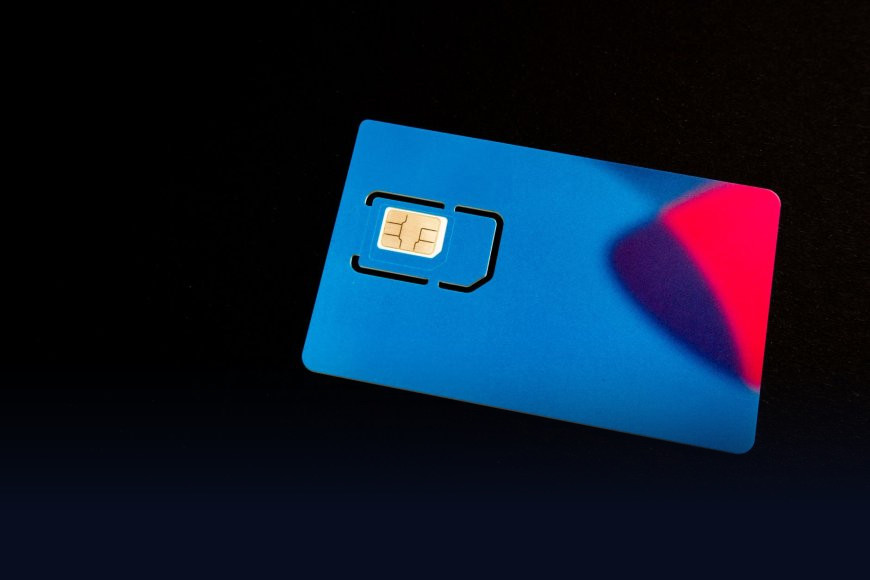
A SIM (subscriber identity module) is a tiny chip that proves to a mobile network who you are — it holds a unique identifier and a security key tied to your phone number and account. The plastic card everyone's used for decades is just a delivery mechanism for that chip. An eSIM (embedded SIM) skips the delivery mechanism entirely: the same chip is soldered into the phone at the factory, and your operator's identity gets written onto it electronically, usually by scanning a QR code they give you.
Nothing about how the network identifies you changes. What changes is that there's no card to lose, no tray to lose along with it, and no waiting for a courier when you switch networks or add a travel plan.
An eSIM isn't a new kind of SIM card — it's the same identity, minus the card.
How switching operators works without a physical swap
Getting a new number onto an eSIM usually goes like this:
- You buy a plan or SIM from an operator (online, at a store, or through an app).
- They send you a QR code, either printed, emailed, or shown on a screen.
- Your phone scans it under Settings, and the eSIM profile downloads and activates in a couple of minutes.
- Your old physical SIM, if you have one, keeps working independently — most eSIM-capable phones support both at once.
That last point is why eSIMs have become popular with frequent travelers: you keep your home number active on the physical SIM and drop in a local data-only eSIM at the destination, without touching either slot.
Where this stands in India
Reliance Jio, Airtel, and Vi all support eSIM activation now, but India hasn't gone the Apple-in-America route of dropping the physical slot — nearly every phone sold here still ships with a tray, because a huge share of the market still relies on basic and feature phones that have no eSIM hardware at all. For smartphone users, though, the shift is real: eSIM sign-up folds into the same e-KYC process operators already use for physical SIMs — an Aadhaar-linked identity check done through the DoT's (Department of Telecommunications) verification framework — so switching to eSIM doesn't mean weaker verification, just a different delivery method for the same checks.
There's a security upside worth knowing about too. SIM swap fraud, where a scammer convinces or bribes their way into getting your number transferred to a SIM they control, remains a real problem reported regularly to Indian banks and telecom operators. An eSIM doesn't make that fraud impossible — a fraudulent re-provisioning request can still target an eSIM profile — but because there's no physical card to intercept, steal, or socially engineer a store employee into re-issuing on the spot, it removes one entire attack path that's been common with traditional SIMs.
Is it worth switching?
A few practical things to weigh before you convert your primary number to eSIM:
- Phone changes get slower. Moving a physical SIM to a new phone takes seconds; moving an eSIM means re-requesting activation from your operator, sometimes with a short wait.
- No backup if your phone dies. With a physical SIM you can pop it into any spare phone instantly. With eSIM-only, you're stuck until the profile is reactivated elsewhere.
- Great for a second, occasional number. Travel data plans, work numbers, or testing a new operator's network without giving up your existing SIM.
If your phone supports dual SIM with one eSIM slot, there's little downside to trying it for a secondary line first. If you're weighing whether your next phone even needs a SIM tray, the honest answer for most Indian buyers right now is: not yet, but check your operator's eSIM support before you assume it's a given — coverage of eSIM issuance still varies by circle and by which store or app you go through.
What's Your Reaction?
 Like
0
Like
0
 Dislike
0
Dislike
0
 Love
0
Love
0
 Funny
0
Funny
0
 Angry
0
Angry
0
 Sad
0
Sad
0
 Wow
0
Wow
0